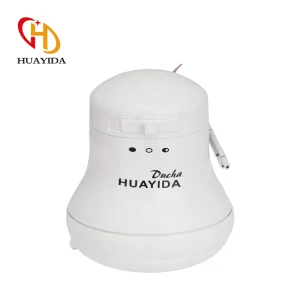
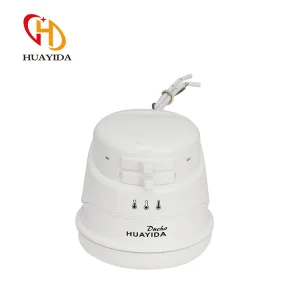
Explore our engineering-grade heating solutions, tailored specifically for high thermal output and extreme durability.
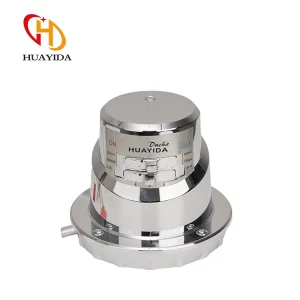
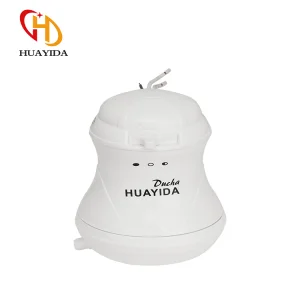
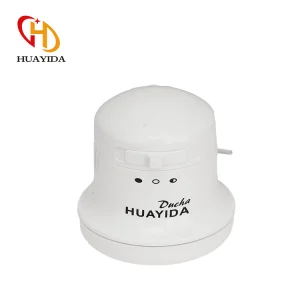
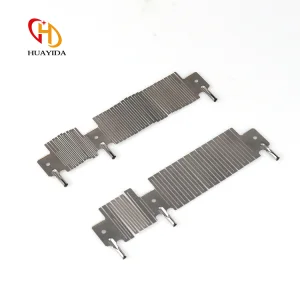
An authoritative breakdown of heat-exchanger materials, fluid dynamics, and global B2B procurement benchmarks in water heating technology.
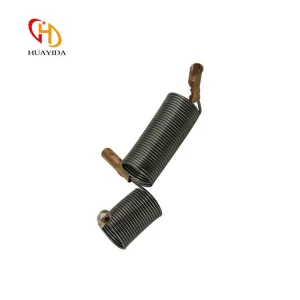
Within any tank-style or high-capacity system, the lower element functions as the primary thermal driver. Water heating dynamics dictate that cold water enters the tank from the bottom via a dip tube. Because cold water has a higher density, it settles at the bottom, creating a thermal gradient. Consequently, the lower element bears the heaviest burden of energy transfer, running for longer durations and operating under tougher thermal conditions than the upper element. This configuration necessitates high-performance alloys and strict structural integrity to withstand cyclic thermal expansion without mechanical failure.
Technical Insight: Lower elements are highly vulnerable to mineral scaling (calcium and magnesium carbonate deposits). When local hard water is heated, minerals precipitate directly onto the element's sheath, forming an insulating layer that restricts heat transfer. If left unchecked, this insulation leads to element overheating and dry-fire burnout. Strategic material selection and low watt-density configurations are critical to preventing premature component failure.
The global heating element sector is rapidly transitioning toward high-density, eco-efficient materials that meet strict decarbonization targets. Five key engineering trends dominate today’s marketplace:
For B2B procurement managers and system integrators, purchasing wholesale heating elements requires a rigorous verification framework. The reliability of a finished instant water heater rests entirely on the quality of its internal resistive components. Key checkpoints include:
Established in 2019, Ningbo Huayida Technology Co., Ltd. is a leading company engaged in the research, development, sale, and service of instant electric water heaters and related thermal accessories. Building on a ten-year foundation of international trade experience, we offer deep expertise in exporting custom heating solutions worldwide.
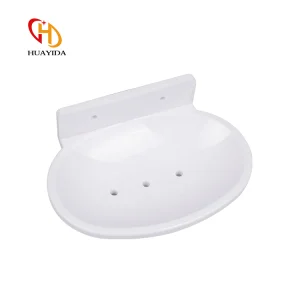
As an integrated enterprise combining advanced manufacturing and global trade, our operations leverage a highly specialized production facility. This integration allows us to strictly control supply chain quality, optimize production costs, and maintain competitive pricing. In addition to our core heating elements, we provide a complete catalog of related cleaning and sanitary components, including custom faucets, bathroom brackets, and soap boxes.
OEM/ODM & Customization Capabilities: Operating under the core philosophy of "Openness based on sincerity, Technology first," we adhere to ISO9001 quality management protocols. Our dedicated R&D team works closely with global partners to design, prototype, and manufacture heating solutions tailored to specific commercial requirements.
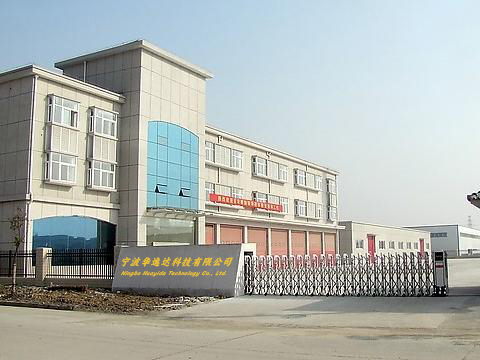
Years of Global Trade Experience
Certified Quality System
CE Certified Elements
Countries Supplied Globally
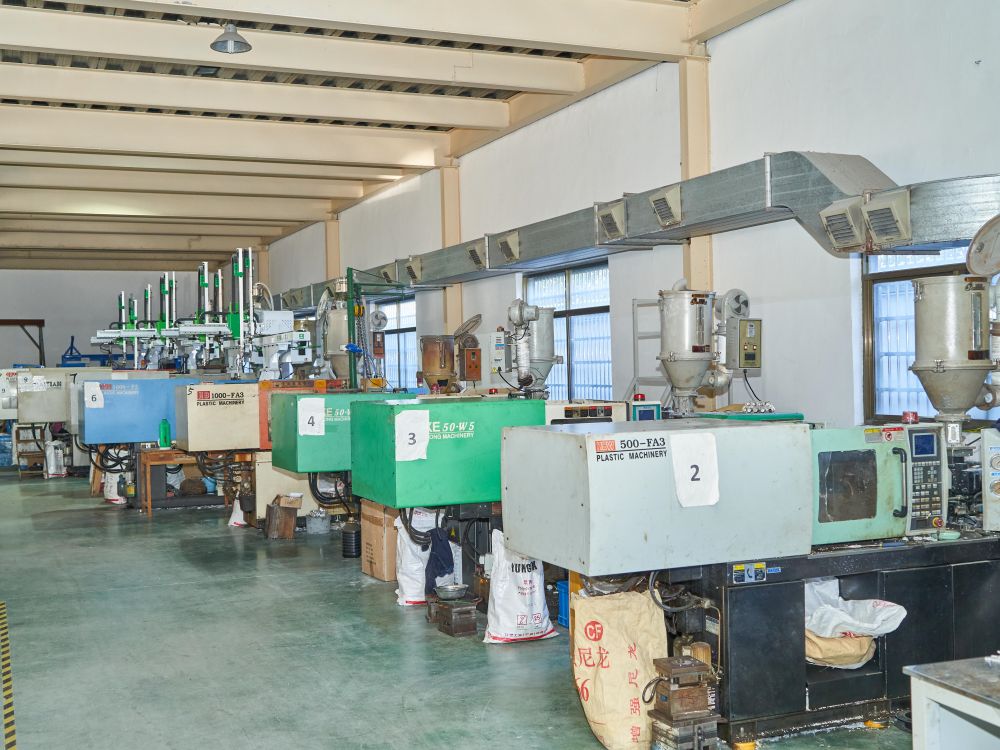
Inside our production facilities, precision engineering and rigorous testing combine to ensure the long-term reliability of every heating element.
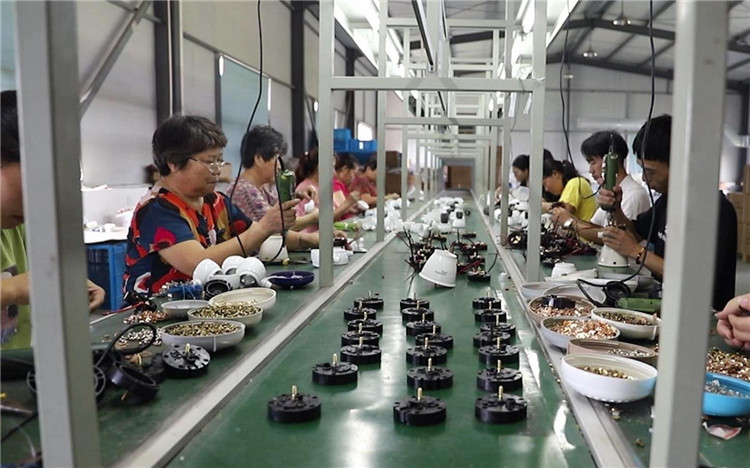
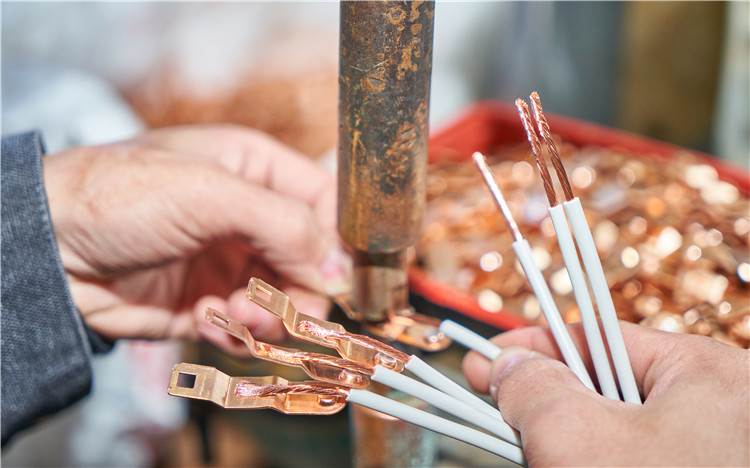
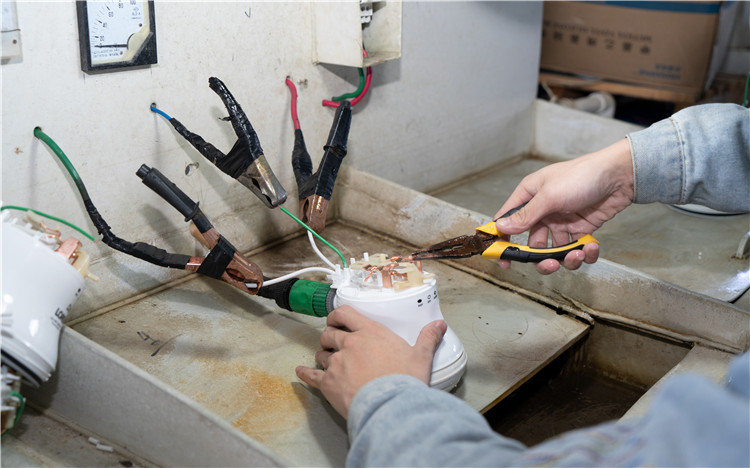
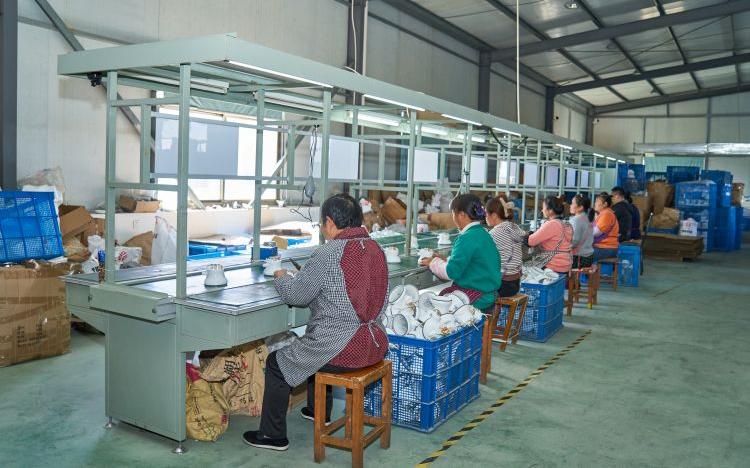
Operating out of Ningbo's industrial cluster allows us to deliver high-quality heating technology with seamless logistical support worldwide.
Our proximity to the Port of Ningbo, one of the world's busiest container hubs, provides direct shipping routes, reduced overland transit costs, and efficient logistical coordination.
Every shipment undergoes pre-delivery quality checks to confirm it meets destination market standards, including CE requirements for Europe and local electrical certifications for South America and Africa.
Our sales and engineering teams offer dedicated B2B support, assisting from initial dimensional modeling and material selection through to final production and quality assurance.
As international energy efficiency standards tighten, the heating element industry is adapting to meet demand for higher performance. Our R&D team focuses on two main development pathways: first, improving the heat-transfer properties of the magnesium oxide (MgO) insulating layer to reduce thermal energy loss; second, exploring thicker alloy sheathing options to extend element lifespan in regions with highly corrosive water supplies.
Review comprehensive answers to common questions regarding technical specs, orders, certifications, and quality control.
Our manufacturing and product development processes are fully CE certified. We also ensure that our production lines comply with ISO9001 international quality standards, maintaining consistent product safety across all batches.
Yes, we offer samples for technical verification and laboratory testing. Samples are subject to a nominal production and shipping fee, which can be credited back to your account upon confirmation of your first bulk commercial order.
Yes, we provide full OEM services. For mass orders, we offer custom laser engraving of your logo directly onto the element flanges, as well as customized packaging designed around your branding requirements. Sample branding options can be reviewed and confirmed during the prototyping phase.
As an integrated manufacturer, we control our production process from raw resistance wire coiling to final assembly. This allow us to offer competitive factory-direct pricing. Quotations are structured based on your selected material specifications, element length, and order volume.
Our standard payment terms are a 30% deposit via T/T to initiate production, with the remaining 70% balance due prior to dispatch. We share detailed photos and inspection reports of the completed products and packaging before processing final payment.
We typically trade under FOB terms (Free On Board), coordinating shipments from the Port of Ningbo. We can also arrange CIF or CFR shipping options depending on your logistics preferences.
For standard stocked items, delivery takes 5 to 10 days. For custom OEM designs or large-volume production runs where the goods are not in stock, the lead time is typically 40 days, depending on the complexity of the design and our production schedule.
If you encounter any quality issues, please take photos or video of the affected units and send them to our technical team. Once we verify the issue, we will provide a resolution within four working days. This may include replacement shipments, technical adjustments, or credit notes for subsequent orders.
For areas with high mineral content, we recommend using Incoloy 800 or Incoloy 840 alloy sheaths. These materials resist scaling and high-temperature oxidation much better than standard copper, protecting the integrity of the element sheathing under heavy use.
We design elements with watt densities ranging from high (for compact, instant-heating systems) to low (for storage tank systems). Our low watt density models are designed to distribute heat over a larger surface area, reducing sheathing temperatures and extending the lifespan of the element.
Browse our range of instant water heater components, custom shower heads, and specialized heating elements.
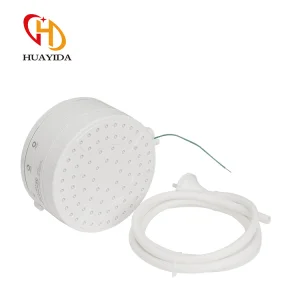
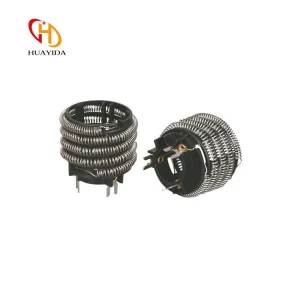
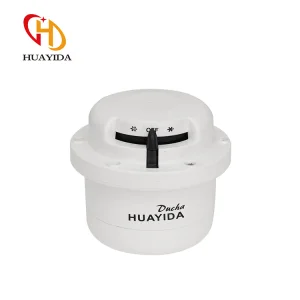
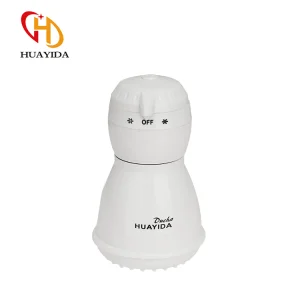
Get in touch with Ningbo Huayida Technology Co., Ltd. for pricing, samples, and OEM design assistance.
Contact Our Engineering Team Huayida