Top Small Water Heaters for Home and Travel

Time:2026-11-03 Author:Charlotte
0%

No source material was provided, so I can’t responsibly attribute a quotation to a named expert. Here is an introduction without an invented quote:

A compact water heater can make a cold morning easier, whether it sits beneath a kitchen sink, in a tiny home, or inside a travel setup. But small size alone does not guarantee a good fit. Capacity, recovery time, power source, installation space, and expected water flow all matter. A unit that handles handwashing may struggle with a shower.

This guide to the top small water heaters for home and travel compares practical options for different routines. We look at tank and tankless designs, electric and gas models, and the trade-offs behind portability. Imagine filling a kettle at a cabin sink, or waiting for a warm shower after a long drive. Those everyday details help reveal what specifications mean in real use. Some models save space but provide limited hot water. Others offer more capacity but need careful planning for ventilation, electrical supply, or plumbing.

The best choice depends on where the heater will be used and how many people rely on it. Check the manufacturer’s specifications, installation instructions, and safety requirements before buying. A Small Water Heater should fit your setup—not just your shopping list. And even a well-reviewed model may disappoint if its output does not match your needs.
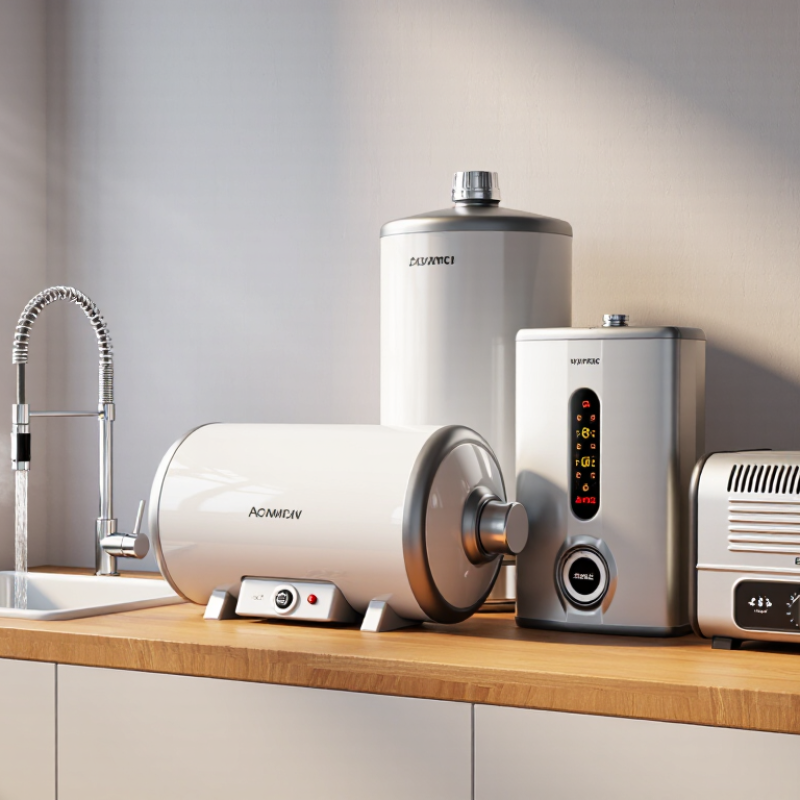
Top Small Water Heaters for Home and Travel

What Small Water Heaters Are and How They Work

A small water heater is a compact appliance that warms water near the sink, shower, or point of use. Some models store a few gallons in an insulated tank. Others heat water as it flows through an element or burner. The tank type keeps a reserve ready, though it can run out during a long shower. A tankless unit avoids that small reserve, but its output depends on available power, fuel, and water flow. Small does not always mean instant.

Inside an electric model, a thermostat senses water temperature and switches the heating element on when needed. In a tankless design, opening a hot-water tap activates the heater, and water passes across a heated surface. Gas-fired units use combustion and require suitable venting; electric units need circuits sized for their load. Check the manual and have installation requirements assessed before choosing one. A travel-sized heater may need a specific power supply and is not automatically suitable for every campsite or vehicle. That detail is easy to miss. In a home, measuring the distance from heater to tap can help estimate wait time and wasted water. Small systems can reduce unnecessary heating, but insulation, settings, and household demand still matter. I would not assume the smallest unit is the most practical.

Main Types of Compact Water Heaters for Home and Travel

Compact water heaters fall into several distinct types. Mini-tank models store a few gallons and suit a small sink, cabin, or guest room. They provide hot water quickly, but the limited supply can disappear during a long shower. Small electric tankless units heat water on demand and save storage space; check the circuit capacity and flow rate before choosing one. Small is not always simple.

For a home with room for a larger unit, a heat-pump water heater moves heat rather than generating it directly. The U.S. Department of Energy says these systems can be two to three times more energy-efficient than conventional electric resistance models. They need suitable installation space and air circulation, though, so a tight closet may not work. The DOE also reports that tankless models can be 24–34% more energy-efficient than conventional storage heaters in homes using 41 gallons of hot water daily or less. Actual savings vary with household use.

For travel, portable gas units and compact electric immersion heaters serve different needs. Gas models are better suited to outdoor setups and require careful attention to ventilation and the manufacturer’s safety instructions. Immersion heaters are light and easy to pack, but need a compatible power source and a safe container. A useful detail: measure the water volume you actually use, not just the heater’s advertised capacity. That estimate can still be off.

Key Features to Compare Before Choosing a Model

When comparing small water heaters, start with the job they must do. A hand-washing sink needs less hot water than a shower or a kitchen used for frequent cooking cleanup. For tank models, check usable capacity and recovery time; for tankless units, check flow rate at the temperature rise your home requires. A rating can look generous on paper. Cold inlet water may change the experience.

Energy matters, too. The U.S. Department of Energy’s Energy Saver guidance estimates that water heating uses about 18% of home energy, making efficiency worth checking. Compare the Uniform Energy Factor (UEF), not just the purchase price, and confirm that the unit’s voltage and circuit match the installation. Small detail. A mismatch can add cost or prevent installation.

For travel, weigh the heater, inspect its power requirements, and confirm how it connects to water and vents. A compact unit may still need a stable surface and careful temperature control. For home use, measure the available space, including room for service access. The U.S. Energy Information Administration’s Residential Energy Consumption Survey tracks household energy use, but actual savings depend on usage, climate, and installation. I would not choose by size alone; it is an easy shortcut, and sometimes the wrong one.

Top Small Water Heaters for Everyday Home Use

A compact water heater can make daily routines easier without taking up much space. For a kitchen sink, guest bathroom, or small apartment, a point-of-use model may reduce the wait for warm water. A small storage tank keeps a reserve ready, while a tankless unit heats water as it flows. The better fit depends on how many taps need hot water at once. Small comforts matter.

Check the heater’s capacity against real household habits, not just the number of people at home. Washing hands uses little water; filling a deep sink or taking a long shower demands more. For tankless models, compare the rated flow with the temperature rise needed in your climate. Confirm that the home’s wiring, breaker, and plumbing can support the unit. Have a qualified installer assess those details.

A smaller unit is not automatically cheaper to run. Frequent high-demand use can leave a small tank depleted, and a tankless model may struggle when several fixtures run together. Keep the temperature within the manufacturer’s guidance, and ask about flushing needs if your water is hard. Check for drips around fittings now and then. I’d also leave room for imperfect routines: a heater chosen for the quietest day may feel undersized on a busy morning.

Top Portable Water Heaters for Travel and Outdoor Use

Portable water heaters make rinsing off after a muddy hike or washing dishes at camp more comfortable. The Outdoor Industry Association’s 2024 Outdoor Participation Trends Report estimated that 175.8 million Americans took part in outdoor recreation in 2023. That scale helps explain the appeal of compact hot-water gear, but the right unit depends on more than size. Check its flow rate, power source, hose fittings, and rated temperature rise. Published flow figures may assume warmer incoming water than you have at a cold campsite.

The awkward part: portable units have real limits. Cold inlet water can reduce the outlet temperature, and a small water supply means shorter showers. Fuel-burning models belong outdoors, away from tents and enclosed spaces; follow the manufacturer’s ventilation and clearance instructions. For an electrically powered unit, confirm that your power source can handle its stated load. A lightweight heater is not automatically a low-power one.

Tips: Match the unit to your water source and expected use. Test it before departure. Bring compatible fittings, and check for leaks on level ground. A thermometer helps verify outlet temperature; adjust the flow rather than assuming the advertised maximum will feel comfortable. Pack it dry, and inspect hoses for cracks before each trip. Even careful planning cannot make every campsite convenient.

Top Small Water Heaters for Home and Travel - Top Portable Water Heaters for Travel and Outdoor Use

Heater type Typical capacity or output Power or fuel Best suited for Advantages Key considerations
Compact electric storage heater Common small sizes: about 2.5–6 gallons (9–23 L) Usually 120 V electricity; many small models draw around 1.4–1.5 kW A sink, kitchenette, or other low-demand home fixture Stores heated water and can use a standard household circuit when the circuit requirements are met Limited stored hot water; allow recovery time between uses. Check electrical, plumbing, and installation requirements.
Electric tankless point-of-use heater Flow depends on unit power and incoming water temperature; compact units are generally suited to one low-flow outlet Electricity; higher-output units may require a dedicated, higher-amperage circuit A nearby sink where space for a tank is limited No storage tank and hot water is produced as it flows through the unit Performance varies with flow rate and inlet-water temperature. Verify voltage, amperage, wiring, and local code before installation.
Portable propane tankless heater Portable models commonly provide roughly 1–2 gallons per minute, depending on temperature rise and water pressure Propane; some models also need batteries or another source for ignition and controls Outdoor washing, camping, or temporary off-grid use Can provide flowing hot water without a household electrical supply Use outdoors only in accordance with the instructions; never use in an enclosed space. Requires fuel, ventilation, water supply, and freeze protection.
Electric immersion water heater Heats a container of water; heating time depends on the water volume and heater wattage Typically plugs into a compatible mains outlet; wattage varies by model Occasional small-batch water heating where a suitable container is available Compact and easy to store; does not require a permanently installed tank Not a continuous-flow shower heater. Follow the product instructions, keep the element submerged as specified, and disconnect power before handling water.
Solar shower bag Often holds about 4–5 gallons (15–19 L) Sunlight; no fuel or electrical connection Basic outdoor rinsing in sunny, warm conditions Lightweight and simple to carry; uses solar heat Heating is weather-dependent and can take several hours. Water temperature and pressure are limited; check the temperature before use.
12 V vehicle-powered water heater Varies by design; many units are intended for modest volumes rather than household-style continuous hot water Vehicle electrical system or a compatible auxiliary battery Road trips or vehicle-based camping, where the heater is designed for that setup Can work without a mains outlet when paired with a suitable power source Heating can be slow, and high current draw may strain a vehicle circuit or battery. Confirm power requirements and vehicle compatibility.

Figures are typical ranges, not guaranteed specifications. Actual output depends on the heater, water temperature, flow rate, installation, and power supply. Follow the manufacturer’s instructions and applicable local codes.

FAQS

What is a point-of-use water heater?

It serves one nearby tap, such as a kitchen sink or guest bathroom. It can reduce the wait for warm water.

How do I choose a small heater’s capacity?

Consider actual tasks, not just household size. Washing hands uses little water; filling a deep sink needs more.

When might a tankless model struggle?

Check its flow rate and required temperature rise. Several running taps can exceed its capacity.

Does a smaller heater always cost less to run?

Not necessarily. Frequent use can empty a small tank, while a busy morning may overwhelm a compact unit.

What should I check before installing a home unit?

Confirm that the wiring, breaker, and plumbing can support it. Ask a qualified installer to assess them.

What affects a portable heater’s performance outdoors?

Cold inlet water can lower the outlet temperature. A small water supply may also mean shorter showers.

How can I check water temperature at camp?

Use a thermometer and adjust the flow. Advertised maximum flow may not feel comfortable with cold incoming water.

What should I inspect before a trip?

Test the heater, bring compatible fittings, and check hoses for cracks or leaks. Test it first.

How should fuel-burning portable heaters be used?

Use them outdoors, away from tents and enclosed spaces. Follow the maker’s ventilation and clearance instructions; a campsite may still be inconvenient.

Conclusion

A Small Water Heater provides hot water in a compact form, making it useful where space, installation options, or access to utilities may be limited. Depending on its design, it may heat water as it flows or store a modest amount for later use. Compact models are available for fixed home installations as well as portable use, with different power sources, capacities, and setup requirements.

Choosing the right option means comparing how quickly it heats, how much hot water it can provide, its energy needs, safety features, and ease of installation or transport. For everyday home use, a compact unit can serve a sink, bathroom, or other point of use. For travel and outdoor activities, portability, simple setup, and compatibility with available power or fuel sources matter most. Matching these features to your routine helps you find a practical heater without paying for capacity or functions you do not need.


Charlotte

Charlotte

Charlotte is a seasoned marketing professional with a deep understanding of the company's portfolio and a passion for elevating its presence in the market. With a keen eye for detail and a commitment to excellence, she ensures that our professional blog is regularly updated with insightful articles......