A Portable Water Heater is an essential device for many households and outdoor enthusiasts. It provides instant hot water wherever needed. John Brown, an industry expert and engineer with over 15 years of experience, once said, "A Portable Water Heater transforms the way we access hot water, making it convenient and efficient." This highlights the importance of such devices in our daily lives.
Portable Water Heaters come in various sizes and configurations. They can work on propane or electricity, offering flexibility. Imagine camping in the wilderness, and with just a few connections, enjoying a warm shower under the stars. This is not mere luxury; it's practicality. However, users must consider the heater’s capacity to meet their needs without causing environmental harm.
While Portable Water Heaters offer many benefits, there are challenges. Users should reflect on energy consumption and safety features. Inadequate knowledge can lead to malfunction. Thus, understanding how these heaters operate is crucial. The need for reliable information remains paramount to make informed choices.
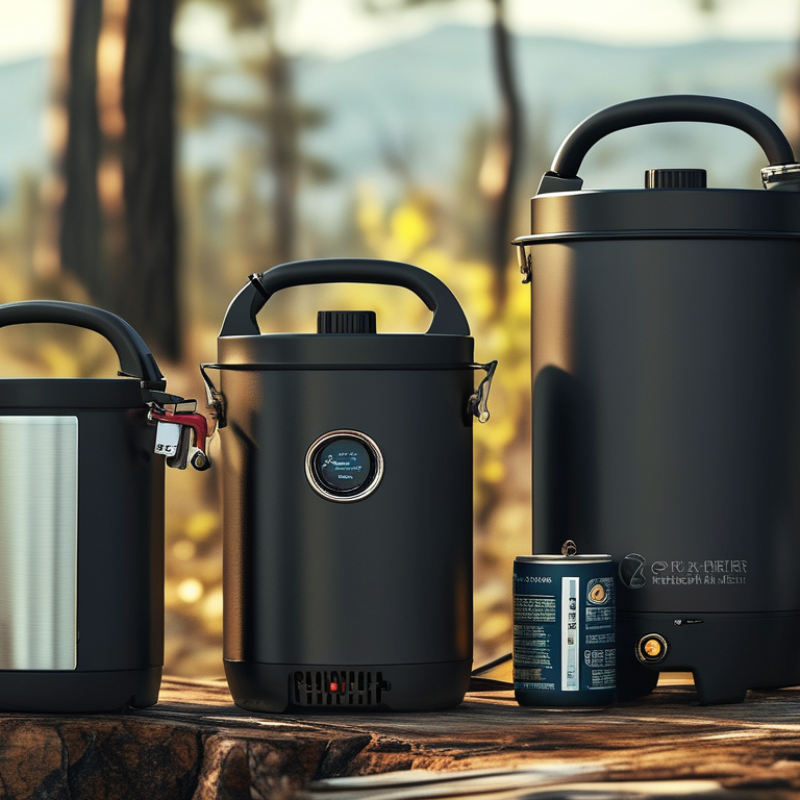
A portable water heater is a versatile device designed for on-demand hot water. Its primary purpose is to deliver heated water wherever it's needed, whether for camping, RV trips, or emergency situations. These heaters are compact, easy to store, and can be powered by electricity or propane. This makes them a popular choice for outdoor enthusiasts and those needing temporary heating solutions.
The operation of a portable water heater is straightforward. Water enters the unit and passes through a heating element. As the water flows, it heats up quickly, providing hot water in minutes. While this efficiency is impressive, it can sometimes lead to fluctuations in temperature. Users may experience moments where the water gets too hot. Understanding how to adjust the settings is essential for safety and comfort.
While portable heaters are convenient, they have their downsides. They may not be suitable for large households needing a steady supply of hot water. Users should also be aware of their power source capabilities. Some heaters may draw more energy than expected, potentially leading to power outages in remote areas. Proper assessment before use can save trouble later.
Portable water heaters are compact devices designed to heat water on demand. They are commonly used in various settings, including camping, RVs, and small homes. These heaters are invaluable for those who need hot water away from traditional plumbing. They offer convenience and instant access to hot water without the need for extensive installations.
How do they function? Portable water heaters use electricity or propane as a power source. When water flows through the heater, heating elements warm it up rapidly. Some models feature adjustable temperature settings, allowing users to customize the output. The design often includes a thermostat to regulate heat levels, ensuring safety during use. However, maintenance is vital. Regular checks can prevent deposits buildup, which can hinder performance.
Though portable water heaters are highly useful, they are not without limitations. Some models may take longer to heat larger volumes of water. Environmental factors, like outside temperature, can also affect efficiency. Users should consider these aspects to ensure they select the right model for their needs. Understanding these functions can enhance the user experience and optimize use.
| Feature | Details |
|---|---|
| Type | Electric and propane |
| Heating Method | Instantaneous and tankless |
| Power Source | Electricity or gas fuel |
| Portability | Lightweight and compact design |
| Common Uses | Camping, RVs, and outdoor activities |
| Temperature Control | Adjustable thermostats available |
| Capacity | Varies from 1 to 6 gallons |
Portable water heaters are gaining popularity due to their versatility. They provide hot water on demand, making them ideal for various applications. These heaters vary in design and functionality, catering to specific needs.
Electric portable water heaters are compact and easy to use. They are commonly used in campers and RVs. According to a report by the Energy Efficiency and Conservation Authority, electric models can heat water quickly, often in minutes. However, they may require a power source, which could be a limitation in remote areas.
On the other hand, propane water heaters are favored for outdoor activities, like camping or tailgating. They are generally more powerful, delivering hot water in larger quantities. A recent study found that propane heaters can produce hot water faster than electric models. Yet, they come with safety considerations and the need for proper ventilation. Users should weigh these factors when choosing the best option for their needs.
Portable water heaters are increasingly popular for their convenience and efficiency. However, safety features are crucial. Users must pay attention to various aspects before using them.
Temperature controls are a key safety feature. They prevent overheating, which can cause burns. Many heaters have built-in sensors to monitor water temperature. These sensors help maintain safe usage while ensuring hot water availability.
Additionally, portable models often come with automatic shut-off systems. This feature turns the heater off when water reaches a specific temperature or if it runs dry. Proper ventilation is also essential. Using a heater in enclosed spaces can lead to dangerous situations. Proper ventilation helps reduce risks associated with fumes and heat accumulation. Always follow the manufacturer’s guidelines for safe use.
Lastly, regular maintenance is important. Users should regularly check hoses and connections for leaks or wear. This can prevent dangerous incidents. Reflecting on safety measures ensures a more enjoyable and risk-free experience with portable water heaters.
Portable water heaters are increasingly popular in diverse environments, from camping trips to construction sites. These devices offer the convenience of immediate hot water. According to a 2022 industry report, the portable water heater market is projected to grow by 4.5% annually, driven by the increasing demand for recreational activities.
In outdoor settings, a portable water heater provides hot water for cooking, showering, and cleaning. The ability to use it off-grid is especially appealing to campers. Data shows that 65% of outdoor enthusiasts prioritize warm showers, enhancing their experience. For construction sites, these heaters ensure workers have hot water for washing up, promoting hygiene. A study indicated that improved worker hygiene can reduce the spread of illness on-site by up to 30%.
However, there are several factors to consider. Not all portable heaters are efficient, and some may consume excessive energy. Users should assess energy consumption carefully. While they offer convenience, the initial investment can be daunting for some. Opting for a unit that balances performance and cost-effectiveness is important. Understanding the limitations of each model can help users make informed decisions.
This chart illustrates the user satisfaction level of portable water heaters in various settings such as camping, indoor use, outdoor events, emergency situations, and construction sites. The results indicate a high level of satisfaction across all scenarios, highlighting the versatility and effectiveness of portable water heaters.
: They provide hot water on demand for various applications like camping and construction.
Electric models can heat water in minutes, making them convenient to use.
They usually need a power source, which can be a challenge in remote areas.
They deliver hot water in larger quantities and heat faster than electric models.
Look for temperature controls, automatic shut-off systems, and proper ventilation.
Regular checks for leaks and wear can prevent dangerous incidents and promote safety.
They ensure workers have hot water for washing, which can improve hygiene and reduce illness.
Assess energy consumption, performance, and initial investment to find a cost-effective option.
No, some models may consume excessive energy, so users need to research efficiency.
They can be costly, and not all models perform equally, which may lead to disappointment.
A Portable Water Heater is a compact and versatile device designed to provide hot water in a variety of settings, such as camping, RVing, or outdoor activities. Its primary purpose is to offer convenient access to hot water without the need for a traditional water heating system. These heaters operate through mechanisms that typically involve heating elements or gas burners, ensuring that water is quickly warmed to the desired temperature.
There are several types of Portable Water Heaters available, each catering to different uses, including tankless models and those with built-in tanks. When using these heaters, safety features such as automatic shut-off valves and temperature controls are essential considerations to prevent overheating or leaks. The benefits of using a Portable Water Heater are numerous; they enhance comfort and convenience by allowing users to enjoy hot water wherever they go, making them an invaluable tool for both recreational and emergency situations.

Huayida