How to Install Electric Tankless Hot Water Heater for Trade Fairs?

Time:2026-03-25 Author:Sophia
0%

When preparing for trade fairs, Electric Tankless Hot Water Heater Installation becomes crucial. This device is compact and efficient, making it ideal for showcasing innovations. Its installation process is straightforward, but attention to detail is vital.

During the setup, ensure proper placement near plumbing and electrical access. Although directions seem clear, mistakes can happen. Misalignment can lead to inefficiency or water leaks, which are costly in a busy exhibition setting.

Furthermore, the 2026 Canton Fair offers a platform for showcasing upgrades in home appliances. This event highlights advanced technology, particularly in the energy sector. Proper installation of electric tankless heaters resonates with attendees concerned about sustainability. Engaging with vendors at the fair could open doors to the latest installation techniques and best practices, making this experience beneficial for all participants.
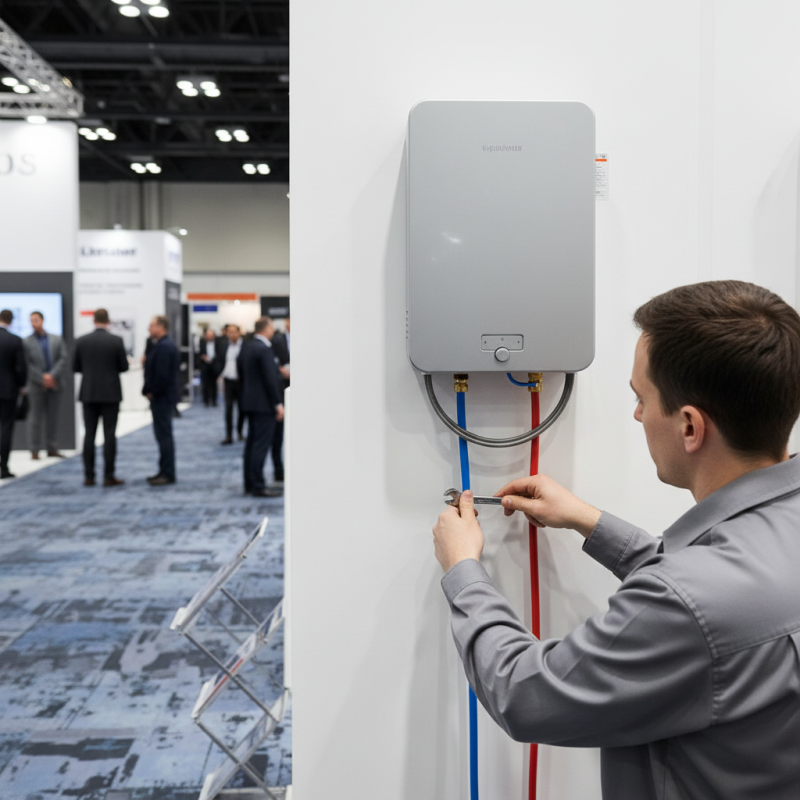
How to Install Electric Tankless Hot Water Heater for Trade Fairs?

Understanding Electric Tankless Hot Water Heaters and Their Benefits

Electric tankless hot water heaters are gaining traction for their efficiency and convenience. These devices heat water on demand, ensuring you never run out during trade fairs. Industry reports indicate that they can reduce energy costs by up to 30% compared to traditional systems. This makes them an attractive option for businesses looking to minimize overhead.

One advantage of tankless heaters is their compact design. They don't require large storage tanks, freeing up valuable space. This is vital for trade fair setups where every inch counts. Additionally, they provide consistent hot water, an essential feature for events that rely on constant supply, like food services. However, installation may require additional electrical upgrades, which can complicate matters.

Tip: Carefully assess your water usage before selecting a model. Overestimating needs can lead to unnecessary expenses. Also, consider the location of the unit; improper placement could affect performance.

Understanding the electric tankless system's benefits is crucial. Their lifespan often exceeds 20 years. However, maintenance is essential. Regular descaling can prevent buildup and ensure optimal efficiency. Ignoring this may result in a decline in performance over time.

Essential Tools and Materials for Installation

Installing an electric tankless hot water heater for trade fairs can seem daunting. However, gathering the right tools and materials will simplify the process. You will need basic tools like a screwdriver, adjustable wrench, and pliers. Don’t forget safety goggles and gloves. They might not seem essential, but protecting yourself is a priority.

For materials, you will need appropriate electrical wires, connectors, and tape. A pipe cutter is useful for adjusting water lines. Think about the water fixtures you’ll connect to. Ensure you have the right fittings ready. Measuring tape can help prevent mistakes. Small errors in measurement can lead to larger issues later.

Sometimes, certain tools might be missing when you start. That can really slow you down. Double-check your inventory before starting the installation. It's easy to overlook a crucial item. Rushing can result in a misstep. Take your time to plan the setup clearly. It saves a lot of hassle in the long run. These basic preparations can enhance your installation experience.

Step-by-Step Guide to Installing Electric Tankless Hot Water Heater

When installing an electric tankless hot water heater, start by choosing an appropriate location. Ensure it's close to your power source and water lines. Keep the installation area dry. Adequate ventilation is important for safety. Avoid placing it in damp basements or garages.

Prepare your tools and materials. You will need screwdrivers, pliers, a wrench, and pipe fittings. Read the instruction manual before beginning. This helps avoid common missteps. Measure your space accurately to ensure a proper fit.

Here’s a tip: always turn off the power supply before starting the installation. This ensures safety and prevents unexpected electrical issues. Additionally, check local codes for any specific installation requirements. Skipping this could lead to problems down the road.

Double-check your connections. Loose fittings can cause leaks. If you notice any irregularities, take the time to readjust. It’s better to spend an extra few minutes ensuring everything is tight and secure. This step can save you from future headaches with water damage.

Safety Precautions and Best Practices During Installation

When installing an electric tankless hot water heater, safety is paramount. Ensure the power is off before any installation begins. Check that the electrical connections meet local codes. Use wire nuts to secure connections properly. A common mistake is leaving wires exposed, which can lead to a dangerous situation.

Wearing gloves can prevent electrical shocks during handling. Use insulated tools for added protection. It's easy to forget to wear safety goggles, but they are necessary when drilling and cutting. Be cautious with heavy units; they can cause injury if dropped. If the heater is too heavy, consider getting assistance.

Proper ventilation is critical in enclosed spaces. Ensure gas lines are not nearby to avoid any hazardous interactions. Improper installation can lead to leaks or inefficient performance. Double-check that all connections are tight before turning the heater on. Remember, it’s okay to revisit your work if something feels off. Reflect on each step to ensure everything is secure and safe.

Electric Tankless Hot Water Heater Installation Safety Precautions

Troubleshooting Common Issues After Installation

Installing an electric tankless hot water heater can be straightforward, but issues may arise after the installation. Common problems include inconsistent water temperature, low water flow, and electrical malfunctions. It's essential to check the power supply first. Many times, inadequate electrical service causes erratic heating. Verify your circuit breaker settings and ensure proper voltage is supplied to the unit.

Another frequent issue is low water flow, which can lead to insufficient heating. Keep an eye on the inlet filter screen. It can clog with sediment, especially in areas with hard water. Regular maintenance is crucial. Cleaning the filter can significantly improve performance. Sometimes, users overlook the importance of adjusting the flow rate. If your heater's specifications state a minimum flow, ensure that your fixtures meet this requirement for optimal operation.

Temperature fluctuations can frustrate users as well. This may stem from incorrect temperature settings or demand surpassing the heater's capacity. It’s easy to underestimate the amount of hot water needed for simultaneous usage. Take a moment to analyze your typical water usage. Adjusting the settings or planning usage accordingly can help. Reflection on these aspects can enhance the overall effectiveness of your tankless system.

How to Install Electric Tankless Hot Water Heater for Trade Fairs? - Troubleshooting Common Issues After Installation

Dimension Value
Water Flow Rate 3.5 GPM
Temperature Rise 70°F
Electrical Requirement 240V, 30A
Installation Space Under Sink
Common Issue 1 Insufficient Hot Water
Common Issue 2 Fluctuating Water Temperature
Common Issue 3 Error Codes Displayed

FAQS

: What are the benefits of electric tankless hot water heaters?

: They heat water on demand, reducing energy costs by up to 30%. They save space and provide consistent hot water.

How long do electric tankless hot water heaters last?

Their lifespan often exceeds 20 years, but regular maintenance is key to maintaining efficiency.

What should I consider before buying a tankless heater?

Assess your water usage accurately. Overestimating can lead to unnecessary costs and complications.

What safety precautions should I take during installation?

Ensure power is off, use insulated tools, and wear safety goggles. Secure all electrical connections properly.

What common issues might arise after installation?

Inconsistent water temperature, low water flow, and electrical malfunctions are common problems.

How can I prevent performance issues?

Regular maintenance like cleaning filter screens helps. Ensure proper water flow rate and check the power supply.

What if I experience temperature fluctuations?

This may be due to incorrect settings or exceeding capacity. Reflect on your usage patterns and adjust as needed.

Is it necessary to revisit installation steps?

Yes, double-check connections and ventilation. It’s okay to reflect and make adjustments if something feels off.

Can improper placement affect performance?

Yes, it can negatively impact efficiency. Choose a suitable location thoughtfully to ensure optimal operation.

How important is maintenance for tankless heaters?

Very important. Ignoring maintenance can lead to reduced performance and longevity issues over time.

Conclusion

The article "How to Install Electric Tankless Hot Water Heater for Trade Fairs" provides a comprehensive guide on effectively installing electric tankless hot water heaters. It begins by explaining the advantages of these heaters, such as energy efficiency and on-demand hot water supply. The article outlines the essential tools and materials needed for a successful installation, ensuring that readers are well-prepared.

The step-by-step installation guide walks users through the process, highlighting important safety precautions and best practices to follow during the installation. Additionally, the article addresses common issues that may arise post-installation and offers troubleshooting tips. Overall, this article serves as a valuable resource for anyone looking to undertake an electric tankless hot water heater installation, especially in the context of trade fairs.


Sophia

Sophia

Sophia is a dedicated marketing professional with an exceptional depth of knowledge about her company's products and services. With a keen understanding of market trends and customer needs, she crafts insightful blog posts that not only inform but also engage readers, enriching the company’s online......