What is a Hot Water Heater and How Does it Work?

Time:2026-05-01 Author:Isabella
0%

A hot water heater is an essential appliance in many homes. It provides hot water for various daily activities like bathing, cooking, and cleaning. Understanding how this device works is key to maintaining it effectively.

When we talk about a hot water heater, we often picture a tank that stores water, but there’s more to it. The mechanism involves heating water using gas, electricity, or solar power. Familiarizing yourself with the components and their functions can enhance your ability to troubleshoot common issues.

However, many homeowners overlook basic maintenance. Ignoring sediment buildup can lead to inefficiency and damage over time. It's vital to reflect on how often you check your hot water heater. Regular inspections can ensure your system runs effectively. Investing time in understanding this appliance not only saves money but also ensures a reliable source of hot water.
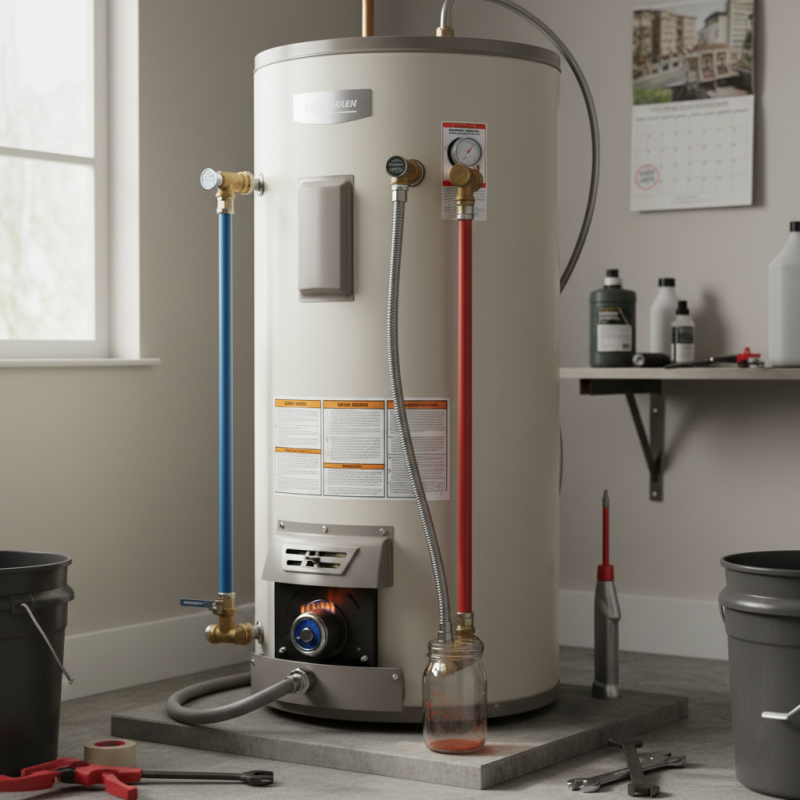
What is a Hot Water Heater and How Does it Work?

What is a Hot Water Heater?

A hot water heater is an essential appliance in many homes. It provides hot water for various activities, such as bathing, cooking, and cleaning. Understanding how it works can help you appreciate its role in daily life.

Typically, a hot water heater operates by heating water contained in a tank. A heating element inside the tank warms the water. Cold water enters from the bottom, while hot water rises to the top. Some models, like tankless heaters, heat water on demand. This means they only activate when needed. It sounds convenient, but such systems may struggle to meet high demands.

Regular maintenance is crucial for efficiency. Ensure the heater's thermostat is set correctly. Sediment build-up can affect performance. Over time, this can reduce water quality and heating efficiency. Neglecting these issues may lead to higher energy bills or breakdowns. It's important to check your system regularly.

Types of Hot Water Heaters Available

When considering hot water heaters, it's crucial to understand the types available. There are primarily three categories: tankless, storage, and heat pump water heaters. Each type has unique benefits and drawbacks, influencing your choice based on lifestyle and needs.

Tankless water heaters heat water on demand. They are energy-efficient and save space but may struggle to meet high demand in larger households. A study from the U.S. Department of Energy highlights that these systems can save up to 30% on energy bills compared to traditional heaters. Storage water heaters, typically found in most homes, store hot water in a tank. They are easier to install but can be less efficient, maintaining standby heat losses.

Heat pump water heaters use electricity to transfer heat rather than generate it directly. This technology can be three times more efficient than standard electric heaters. However, their performance can decrease in colder climates.

Tip: Evaluate your household's water usage before purchasing. Knowing peak usage times helps in selecting the right type of heater.

Consider your home’s insulation. Poor insulation can lead to energy loss, regardless of the heater type. A well-insulated home enhances efficiency, making your heater work less.

How Hot Water Heaters Work: The Basic Principles

Hot water heaters are essential for modern living. They provide hot water for various household needs. Understanding how they work is crucial for efficient use. Most water heaters operate on a simple principle of heating water using gas or electricity.

In conventional storage water heaters, cold water is stored in a tank. The heating element warms the water to a preset temperature, typically around 120°F. According to the U.S. Department of Energy, water heaters account for about 18% of energy use in homes. Regular maintenance can significantly enhance their lifespan, usually around 10-15 years.

Tankless water heaters, on the other hand, heat water on demand. They do not require a storage tank, which often leads to more efficient energy use. However, they may struggle to supply enough hot water for simultaneous use in larger households. Understanding these nuances is essential for homeowners. The choice between tank and tankless systems should consider household size, usage patterns, and energy costs. It prompts reflection on personal needs and household efficiency.

What is a Hot Water Heater and How Does it Work?

Feature Description Advantages Disadvantages
Tank Water Heater Stores a large volume of water (30-80 gallons) in a tank and heats it using gasoline, electricity, or other energy sources. Provides a steady supply of hot water and is typically less expensive to install. Tends to take up more space and can run out of hot water if demand exceeds supply.
Tankless Water Heater Heats water on demand without storing it in a tank. Activates when a hot water tap is opened. Suitable for smaller spaces and provides an endless supply of hot water. Higher upfront costs and may require upgrades to gas lines or electrical capacity.
Heat Pump Water Heater Uses electricity to move heat from the air or ground to heat water. Highly efficient, potentially lowering energy bills significantly. Performance can be affected by extreme cold temperatures, requires more space for installation.
Solar Water Heater Utilizes solar panels to capture sunlight and convert it into heat for water. Eco-friendly and can significantly reduce utility bills. Dependence on sunny weather and may require a backup heating system.

Key Components of a Hot Water Heater

A hot water heater is an essential appliance in many homes. Understanding its key components can enhance your insight into how it functions. The primary parts include the tank, heating element, thermostat, and anode rod. Each plays a crucial role in delivering hot water.

The tank stores the water, allowing it to heat continuously. When you turn on the tap, hot water flows out. Heating elements, either electric or gas, raise the water temperature. The thermostat keeps everything in check, ensuring that the water is neither too hot nor too cold. Often forgotten, the anode rod combats corrosion, extending the life of the tank.

While hot water heaters seem straightforward, their efficiency can vary. Some older models may struggle to provide an adequate supply. Regular maintenance can prevent issues. However, many homeowners overlook this aspect. Small leaks or sediment buildup can significantly reduce performance. Taking time to explore these components can lead to better water heating experiences.

Common Issues and Maintenance Tips for Hot Water Heaters

Hot water heaters are essential in every home. However, they often face common issues that can disrupt their performance. One prevalent problem is sediment buildup. Over time, minerals settle at the bottom, leading to reduced efficiency. Flushing the tank once a year can help prevent this issue.

Another concern is fluctuating water temperatures. This can indicate a failing thermostat or heating element. Regularly checking these components ensures a consistent hot water supply. Inspecting the anode rod every few years is also crucial. A worn rod can lead to rust, causing leaks.

Maintenance goes beyond fixing issues. It’s about preventing them. Insulating pipes can improve energy efficiency. Keeping the area around the heater clean and free of clutter is equally important. Many homeowners overlook these simple steps, which can lead to bigger problems down the line. Regular attention to your hot water heater will yield long-term benefits.

FAQS

: What do hot water heaters do?

: Hot water heaters provide heated water for various household needs, enhancing modern living.

How do conventional hot water heaters operate?

They store cold water in a tank and use a heating element to warm it to a preset temperature.

What factors affect the lifespan of hot water heaters?

Regular maintenance, such as flushing the tank and checking components, can enhance their lifespan, typically 10-15 years.

What are tankless water heaters?

Tankless water heaters heat water on demand, eliminating the need for a storage tank, but may struggle with high demand.

Why is sediment buildup a concern?

Sediment can reduce efficiency. Flushing the tank annually helps prevent this issue and maintains performance.

What should I check if water temperatures fluctuate?

Fluctuating temperatures may indicate a failing thermostat or heating element. Regular checks are essential for consistent supply.

How can insulating pipes help?

Insulating pipes can improve energy efficiency, reducing heating costs and enhancing the performance of the heater.

What role does the anode rod play?

The anode rod helps combat corrosion in the tank. Over time, it can wear out, leading to leaks if not inspected.

How often should maintenance be performed?

Regular attention, including inspections and cleaning, can prevent larger issues from developing over time.

Why might homeowners neglect maintenance?

Maintenance often seems tedious, leading many to overlook it, which can cause performance issues and costly repairs later.

Conclusion

A hot water heater is a crucial appliance that provides heated water for various household needs, such as bathing, cooking, and cleaning. There are several types of hot water heaters, including tankless, storage tank, and solar models, each operating on different principles to efficiently deliver hot water. Understanding how these systems work is essential for any homeowner to ensure they function optimally.

The basic principles of hot water heaters revolve around heating water through energy sources like electricity or gas. Key components include the heating element, thermostat, and pressure relief valve, which all play a vital role in the operation and safety of the unit. Regular maintenance is necessary to prevent common issues such as leaks, sediment buildup, and inconsistent water temperatures, ensuring a reliable supply of hot water in the home.


Isabella

Isabella

Isabella is a dedicated marketing professional with a sharp focus on driving brand growth and engagement through strategic content creation. With an extensive background in digital marketing, she combines her passion for storytelling with her keen understanding of industry trends to deliver......