Selecting the right Portable Heater Water can be a challenging task. Many options exist, each with unique features. Understanding your specific needs is essential for making an informed choice.
Consider the size of your space. A compact heater may be perfect for small areas, while larger spaces require more powerful units. Additionally, energy efficiency is crucial. Switching from low-efficient models can lead to considerable savings in the long run.
Take time to read reviews from other users. Their experiences can highlight potential issues or benefits. Ignoring this step may result in regrettable choices. Ultimately, personal preference and budget also play significant roles in your final decision. Evaluate these factors thoroughly to ensure your Portable Heater Water meets your heating demands efficiently and reliably.
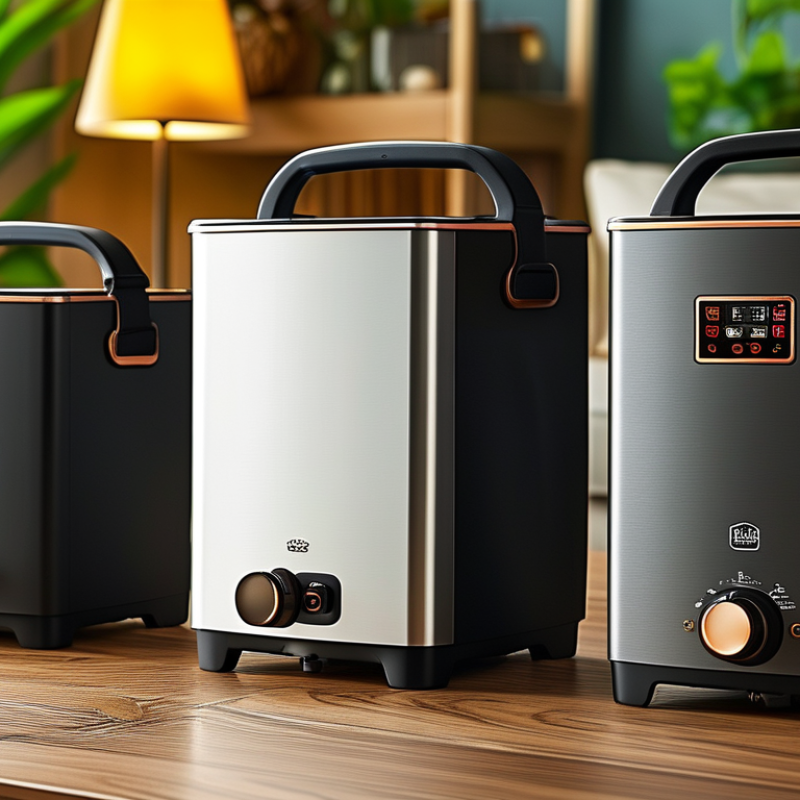
When selecting a portable water heater, it's essential to understand the various types available. Tankless water heaters are popular due to their efficiency. They heat water on demand, providing a constant supply of hot water. According to the U.S. Department of Energy, tankless systems can be 24-34% more energy-efficient than traditional systems, especially for homes using less than 41 gallons daily.
Another type is the storage water heater, which uses a tank to store heated water. While generally cheaper upfront, they may waste energy when heating unused water. The average lifespan of these units is about 10-15 years. However, this can vary based on usage and maintenance.
Portable water heaters also come in different power sources. Electric models are convenient and easy to operate, while propane options offer greater heating capacity. A study by the National Renewable Energy Laboratory shows that many consumers may overlook energy input, leading to inefficiencies. Understanding your specific needs can help avoid unnecessary spending. Environmental impacts also deserve attention, as choosing an energy-efficient model contributes to sustainability.
When selecting a portable water heater, consider its heating capacity. A model with a higher BTU rating heats water faster. This is crucial for better efficiency, especially in cold climates. Look for heaters that offer adjustable temperature settings. Being able to customize the heat allows for comfort and saves energy.
Next, size and portability matter. Compact models are easier to carry and store. Consider weight and dimensions for effective transportation. Some units come with convenient handles or built-in wheels. Ease of installation is another point to reflect on. A system requiring complex setups can be frustrating and time-consuming.
Don’t overlook safety features. A reliable heater should have automatic shut-off mechanisms. Overheating can lead to hazards. Read user reviews to check for any common issues. Pay attention to real-life experiences shared by other users. This feedback can provide insight into potential drawbacks. It is essential to weigh these factors to make an informed choice.
Assessing your hot water needs is crucial when choosing a portable heater. Start by understanding your daily hot water usage. Do you need it for cooking, cleaning, or bathing? Each scenario has different demands. For instance, a family may require more hot water than a single person. Evaluate the peak times when hot water is needed. This will help determine the capacity required.
Tips: Consider a portable heater that adjusts based on your needs. Some models are more efficient and can save energy. Think about where you will use it. Indoor use may require specific safety features. Outdoor settings may need weather-resistant options.
Acknowledge your limitations in assessing your needs. You might not always get it right the first time. Try to observe the heater in action before finalizing your decision. Understanding your lifestyle will lead to better choices. Regularly review your needs as they can change over time.
When selecting a portable water heater, energy efficiency is crucial. Many models come with energy efficiency ratings. These ratings indicate how well a unit converts energy into heating power. Higher efficiency means lower energy bills.
Look for units with good insulation. Well-insulated heaters retain heat better. This reduces energy consumption. Pay attention to energy factor (EF) ratings. A higher EF indicates a more efficient heater. You might also check for certifications. Energy Star certifications often signal quality and efficiency.
Each household's needs vary. Sometimes, the most efficient model may not suit your specific usage. For example, if you only need occasional hot water, a larger heater might waste energy. Reflect on how often you use hot water. This insight will guide your choice. Ultimately, balancing efficiency with your needs ensures you make the right decision.
When considering a portable water heater, budgeting is crucial. Costs go beyond the purchase price. Installation, maintenance, and energy consumption are all important factors to think about. A good estimate can help avoid surprises down the line.
Tips: Set a budget that includes all aspects of ownership. Research average installation fees in your area. Maintenance might seem minor, but routine checks can save you money.
Energy efficiency should guide your purchase. Look for models that provide optimal heating with minimal energy use. This not only protects the environment but also lowers your bills. Always read reviews and expert recommendations to gauge reliability and performance.
Investing a little time in finding the right heater can pay off. Don't rush the buying process. Consider your specific needs, and be realistic about your budget constraints. This approach will lead you to the most suitable choice for your situation.
| Feature | Description | Estimated Cost ($) | Maintenance Cost/Year ($) |
|---|---|---|---|
| Capacity | Holds 4 to 20 gallons of water | 150 - 450 | 20 - 50 |
| Heating Time | Heats water in 30 to 60 minutes | N/A | N/A |
| Energy Efficiency | Uses minimal electricity | 200 - 400 | 30 - 70 |
| Portability | Lightweight and easy to move | 50 - 150 | 10 - 20 |
| Durability | Made with high-quality materials | 100 - 300 | 15 - 30 |
: The main types are tankless and storage water heaters. Tankless models heat water on demand, while storage units use a tank for heated water.
Higher energy efficiency reduces utility bills. An efficient model saves money over time compared to less efficient options.
Tankless water heaters are often better for small homes. They provide hot water as needed without wasting energy on unused storage.
Consider heating capacity, size, and safety features. Adjustable temperature settings and ease of transport also matter.
The energy factor (EF) rating is crucial. A higher EF means better efficiency and lower energy consumption.
Yes, safety features like automatic shut-off mechanisms are essential. Overheating can cause serious hazards.
Good insulation helps retain heat. Well-insulated heaters consume less energy overall, which can lead to cost savings.
Read user reviews for insights into common problems. Pay attention to personal experiences to gauge a product's reliability.
Yes, larger heaters can waste energy if used infrequently. Assess your hot water needs before selecting a unit.
Yes, easier installations save time and frustration. Avoid complicated setups when selecting a heater for convenience.
When selecting the best Portable Heater Water, it's crucial to understand the different types available on the market. Each type offers distinct advantages depending on specific needs, such as quick heating or energy efficiency. Key features to consider include size, capacity, and safety features, which can significantly affect user experience.
Additionally, assessing your hot water needs and common usage scenarios will help you choose a model that meets your demands. It's also important to compare energy efficiency ratings, as this can lead to long-term savings on your utility bills. Finally, budgeting for both the purchase and ongoing maintenance costs of your Portable Heater Water will ensure you make a well-informed investment for your hot water needs.

Huayida