Choosing a Mini Heater Water system for global sourcing requires more than comparing wattage and factory prices. The U.S. Department of Energy reports that water heating represents about 18% of household energy use. The International Energy Agency also identifies buildings as a major global energy consumer. These figures make efficiency a commercial issue, not merely a technical detail.
A practical buyer should verify voltage, frequency, inlet pressure, flow rate, tank capacity, heating speed, insulation, and replacement-part availability. A 3.5 kW unit may suit a hand-washing station, but it may disappoint during two simultaneous showers. Small details matter. Check cable length, connector quality, carton protection, and the clarity of installation instructions. Certifications and test reports should come from recognized laboratories, not only supplier marketing sheets.
Gary Klein, P.E., a respected water-efficiency specialist and former California Energy Commission engineer, has repeatedly emphasized demand-based design: “The cheapest gallon of hot water is the one you never heat.” His point remains useful when evaluating Mini Heater Water products. Oversizing raises purchase and operating costs. Undersizing creates complaints, returns, and damaged buyer confidence. There is no perfect global model. Local climate, water hardness, electrical infrastructure, and user habits can change the result.
A reliable sourcing decision combines laboratory evidence, factory audits, sample testing, and realistic usage data. Reviewers should compare standby loss, temperature stability, safety controls, and warranty response. A low quote can hide expensive after-sales problems. The strongest supplier is not always the cheapest one. Often, it is the one that documents its limits honestly.
Define the Main Uses and Installation Conditions
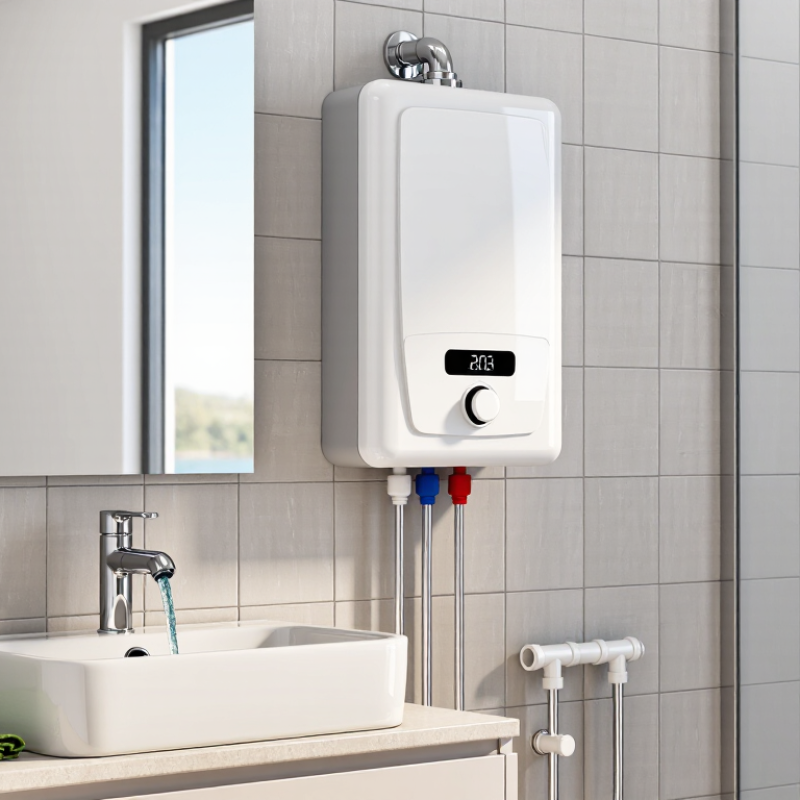
When sourcing a mini water heater, define its main use before comparing specifications. A handwashing basin may need only a small, low-flow unit. A kitchen sink often requires faster recovery and better temperature stability. For a guest bathroom, noise, appearance, and child-safe temperature control may matter more.
Know the water first. Measure inlet pressure, water temperature, flow rate, and available space. Check whether the unit serves one outlet or several. A point-of-use heater usually performs best near the tap, reducing heat loss through long pipes. However, a compact tank model needs clearance for maintenance and a safe drainage route. An instant model may require higher electrical capacity.
Installation conditions can change the purchasing decision. Confirm local voltage, frequency, plug type, grounding rules, and breaker requirements. Wet locations may require suitable protection against water exposure. Ask a qualified electrician or plumber to verify the site. Never rely only on a product photograph.
A common sourcing mistake is choosing capacity from household size alone. Usage patterns matter more. A two-person office can create sharp demand at lunchtime. I once underestimated the importance of pipe orientation; a narrow cabinet made servicing difficult. Request dimensional drawings, wiring diagrams, inlet details, test reports, and operating limits before placing an order. Leave room for real-world errors.
Compare Mini Water Heater Types and Heating Methods
When comparing mini water heaters for global sourcing, start with the heating method. Storage models heat water inside a small tank and keep it ready. They suit handwashing stations, guest bathrooms, and areas with unstable water flow. However, standby heat loss can raise energy use. The tank also needs space and protection from freezing temperatures.
Instant heaters warm water only when a tap opens. They are compact and reduce standby loss. Their performance depends on power supply, flow rate, and incoming water temperature. A small unit may deliver warm water slowly in a cold climate. Check the rated kilowatt level carefully. It may not match every country’s electrical system.
Heating elements also affect product selection. Resistance heating is simple, affordable, and easy to service. Immersion elements heat water directly inside the tank, but scale can build around them. Some compact heat-pump units use less electricity, yet they cost more and require suitable airflow. They may also produce operating noise. Not every buyer will accept that trade-off.
During sourcing, request sample testing under real conditions. Measure heating time, outlet temperature, power draw, and noise. Test both low and high water pressure. Confirm voltage, frequency, plug type, safety protection, and required market approvals. In my experience, a product can perform well in a factory test but struggle in a small bathroom. Installation instructions are often overlooked. That mistake can create avoidable service problems. Spare heating elements, seals, and thermostats should be available locally.
How to Choose a Mini Water Heater for Global Sourcing? - Compare Mini Water Heater Types and Heating Methods
| Mini Water Heater Type |
Heating Method |
Typical Capacity or Flow |
Typical Rated Power |
Approximate Temperature Range |
Main Advantages |
Main Limitations |
Typical Applications |
| Mini Storage Water Heater |
Electric resistance element heats and stores water in an insulated tank. |
5–30 L tank |
1.5–3.0 kW |
35–75°C adjustable |
Provides hot water immediately after heating; comparatively simple plumbing; suitable for low-flow outlets. |
Limited stored volume; standby heat loss; requires wall or cabinet space. |
Hand basins, kitchen sinks, washrooms, small offices and guest rooms. |
| Point-of-Use Tankless Electric Heater |
An electric resistance element heats water only when it flows through the unit. |
Approximately 1.5–6.0 L/min, depending on inlet temperature and power |
3.5–8.5 kW |
30–60°C typical outlet setting |
Compact; no tank standby loss; continuous supply within its flow and power limits. |
Higher electrical demand; performance varies with water temperature and flow; may require a dedicated circuit. |
Single sinks, hand-washing stations, compact showers and remote outlets. |
| Low-Power Tankless Electric Heater |
Electric resistance heating with a lower-power element and restricted flow. |
Approximately 0.8–2.5 L/min |
2.0–3.5 kW |
30–50°C typical outlet setting |
Works with lower-capacity electrical systems; small size; generally easier to install than high-power models. |
Not suitable for high-flow showers; heating performance can drop in cold climates. |
Lavatories, small sinks, temporary facilities and regions with limited electrical capacity. |
| Gas-Fired Instantaneous Mini Heater |
Gas burner transfers heat through a heat exchanger as water flows through the unit. |
Approximately 5–12 L/min |
10–24 kW thermal input |
35–60°C adjustable |
High heating output; suitable for larger flow rates; less dependent on electrical supply capacity. |
Requires approved gas, ventilation and flue arrangements; combustion safety and local certification are essential. |
Residential bathrooms, utility areas and locations with reliable gas infrastructure. |
| Solar Thermal Mini System |
Solar collector heats water directly or warms a heat-transfer fluid connected to a storage tank. |
50–150 L storage tank; output depends on collector area and sunlight |
Optional 1.5–3.0 kW electric backup |
Typically 40–75°C with controls and backup heating |
Can reduce conventional energy use in sunny locations; useful for planned hot-water storage. |
Higher installation complexity; weather-dependent; needs roof or outdoor space and freeze protection where required. |
Small homes, cabins, remote facilities and projects with suitable solar exposure. |
| Heat-Pump Mini Water Heater |
Refrigeration cycle extracts heat from surrounding air and transfers it to the water tank. |
50–100 L tank |
0.4–1.2 kW electrical input; higher thermal output than direct resistance heating |
45–60°C typical; electric backup may reach higher temperatures |
Lower electricity consumption than resistance heating under suitable operating conditions; includes stored hot water. |
Larger and more expensive; produces fan and compressor noise; performance decreases in cold ambient conditions. |
Energy-conscious homes, small hospitality facilities and locations with moderate ambient temperatures. |
Sourcing note:
The figures are typical planning ranges rather than specifications for a particular product. Before purchase, verify local voltage and frequency, plug or wiring requirements, water-pressure limits, inlet temperature, safety certifications, installation codes, spare parts availability and applicable energy-label requirements.
Check Capacity, Power Requirements, and Energy Efficiency
When sourcing a mini water heater, capacity should match real usage, not an optimistic sales estimate. A hand-washing basin may need 5–10 liters, while a compact shower can require much more. Measure peak demand during the busiest hour. Small tanks recover quickly, but repeated use may leave the next user with cold water. My first capacity estimate was too low. That mistake delayed installation approval.
Power requirements deserve equal attention. Check voltage, frequency, rated wattage, plug type, and circuit protection for the destination market. A 3,000-watt unit can overload a light household circuit. Confirm available amperage before selecting a faster heating element. Ask suppliers for test reports, wiring diagrams, and sample inspection records. Do not rely on a product page alone. It sounds simple. It is not.
Energy efficiency directly affects operating costs. Compare standby heat loss, insulation thickness, recovery time, and efficiency during realistic usage. A smaller tank may consume less energy, but frequent reheating can reduce that advantage. Consider local electricity prices and inlet water temperature. Request performance data under different conditions, especially in colder seasons. Inspect samples for uneven insulation, loose terminals, or unclear controls. One overlooked detail can become a costly field complaint.
Evaluate Safety Features, Materials, and Product Certifications
When choosing a mini water heater for global sourcing, inspect safety features before comparing price. A compact unit may operate near wet surfaces, so protection against electric shock is essential. Look for reliable grounding, leakage-current protection, thermal cut-off, and dry-heating protection. A pressure relief valve should match the tank design and local plumbing requirements. Test the cutoff. If possible, ask for test records from production samples, not only factory claims.
Materials also affect safety and service life. Stainless steel tanks resist corrosion, but weld quality still matters. Copper heating elements transfer heat efficiently, yet they need suitable insulation and water compatibility. Check that seals, plastics, and coatings are intended for hot drinking water when required. Ask for material declarations and laboratory results showing restricted substances remain within legal limits. A shiny surface proves little.
Product certification must fit the destination market. Request complete certificates, testing standards, issue dates, and model numbers. The certificate should identify the exact heater, not a similar-looking product. Confirm ratings for voltage, frequency, pressure, and ingress protection. Independent laboratory verification adds credibility, while factory audits can reveal weak wiring or inconsistent assembly. Keep traceable samples and inspection photos. Records matter. A careful sourcing process can still miss a hidden design change, so repeat testing after any component substitution.
How to Choose a Mini Water Heater for Global Sourcing?
Evaluate safety features, materials, and product certifications before selecting a supplier.
Safety Features
Prioritize over-temperature protection, dry-heating protection, residual-current protection, pressure relief, grounding, and flame-retardant electrical insulation.
Material Selection
Copper offers very high thermal conductivity, while 304 and 316 stainless steel provide lower conductivity with strong corrosion resistance. ABS is commonly used for insulated external housings.
Product Certifications
Confirm compliance with the destination market’s applicable requirements, such as IEC 60335-2-35, UL 499, electrical safety rules, EMC requirements, and the relevant national certification mark.
Typical thermal conductivity values at approximately room temperature. Actual performance varies by alloy, grade, temperature, and manufacturing process. Higher conductivity does not by itself indicate a safer or better water heater.
Assess Suppliers, Customization Options, Costs, and Logistics
How to Choose a Mini Water Heater for Global Sourcing?
Supplier assessment should begin with evidence, not attractive catalog photos.
Request factory audit records, production capacity, failure rates, and recent test reports. Check heating power, tank material, insulation, thermostat accuracy, and electrical protection. The U.S. Department of Energy reports that water heating represents about 18% of household energy use. This makes efficiency a commercial issue, not merely a technical detail. Ask suppliers to provide measured standby losses and test conditions. Figures without conditions can mislead.
Customization should match the target market.
Confirm voltage, frequency, plug type, water pressure, language, packaging, and installation method. A small change in control software may require new testing. Certification costs also vary by destination. Avoid approving samples too quickly. I have seen attractive prototypes fail during repeated heating cycles. That weakness matters. Create a written approval checklist, including leakage tests, thermal cut-off performance, carton drop tests, and spare-part availability. Allow time for corrective samples.
Calculate total landed cost rather than unit price.
Include tooling, testing, packaging, inland transport, freight, insurance, duties, and warranty reserves. UNCTAD’s Review of Maritime Transport states that shipping carries over 80% of global merchandise trade by volume, so port delays can affect inventory planning. Compare suppliers using the same Incoterm and shipment quantity. Use a small pilot order before scaling. It may reveal hidden costs. A spreadsheet is useful, but it cannot replace inspection. For reliable logistics, confirm lead times, booking procedures, pallet dimensions, and contingency routes in writing.
FAQS
A hand-washing basin often needs 5–10 liters. Measure peak demand during the busiest hour, not average use. My first estimate was too low.
It may recover quickly, but repeated use can leave the next user with cold water. Test several uses within one busy hour. Real demand can be surprisingly uneven.
Check voltage, frequency, wattage, plug type, and circuit protection. A 3,000-watt heater may overload a light household circuit. Confirm available amperage before ordering.
Compare standby heat loss, insulation thickness, recovery time, and realistic operating efficiency. Include local electricity prices and inlet water temperature. Cold seasons may change the result.
Look for reliable grounding, leakage-current protection, thermal cut-off, and dry-heating protection. Confirm that the pressure relief valve suits the tank and plumbing system. Test the cutoff.
Check tank corrosion resistance, weld quality, heating-element insulation, seals, plastics, and coatings. Materials for hot drinking water need suitable documentation. A shiny surface proves little.
Request complete certificates, testing standards, issue dates, and exact model numbers. Confirm voltage, frequency, pressure, and ingress-protection ratings. Similar-looking models are not enough.
Request test reports, wiring diagrams, sample inspection records, and material declarations. Inspect samples for loose terminals, uneven insulation, and unclear controls. Repeat testing after component changes. Records matter.
Conclusion
Choosing the right mini water heater for global sourcing starts with understanding its intended use and installation environment. Determine whether it will serve a kitchen sink, bathroom basin, shower, or point-of-use application, then review available space, water pressure, climate, electrical systems, and installation limitations. Compare storage, instant, and hybrid designs, as well as different heating methods, to find the best balance between response speed, stability, and operating cost. The term “Mini Heater Water” may describe compact solutions, but performance depends on selecting the right specifications for each application.
Before purchasing, check tank capacity, rated power, voltage, temperature control, and energy efficiency. Safety features such as overheat protection, leakage prevention, pressure relief, and reliable insulation are essential. Confirm material quality, corrosion resistance, testing procedures, and required product certifications for the target markets. Finally, evaluate supplier experience, customization capabilities, sample support, pricing, minimum order quantities, packaging, lead times, shipping methods, and after-sales communication. A complete assessment helps buyers reduce sourcing risks and select a dependable product for international distribution.

 Huayida