Choosing the right Nichrome Wire Heater can be crucial for efficiency in various applications. According to a recent report by the Heating Elements Association, the market for Nichrome wire heaters is expected to grow by 5.5% annually through 2025. The increasing demand for temperature control in industrial processes drives this growth.
Expert Mike Thompson, a leading analyst in heating technologies, states, “Selecting the appropriate Nichrome wire heater greatly impacts performance and energy savings.” This underscores the importance of understanding your specific needs. Different Nichrome wire gauges and configurations can lead to varied heating capabilities.
It’s essential to consider factors like resistance values, temperature ratings, and application suitability. Many users overlook these aspects, leading to less efficient heating. Investing time in research will pay off, ensuring the chosen Nichrome Wire Heater aligns perfectly with your requirements.
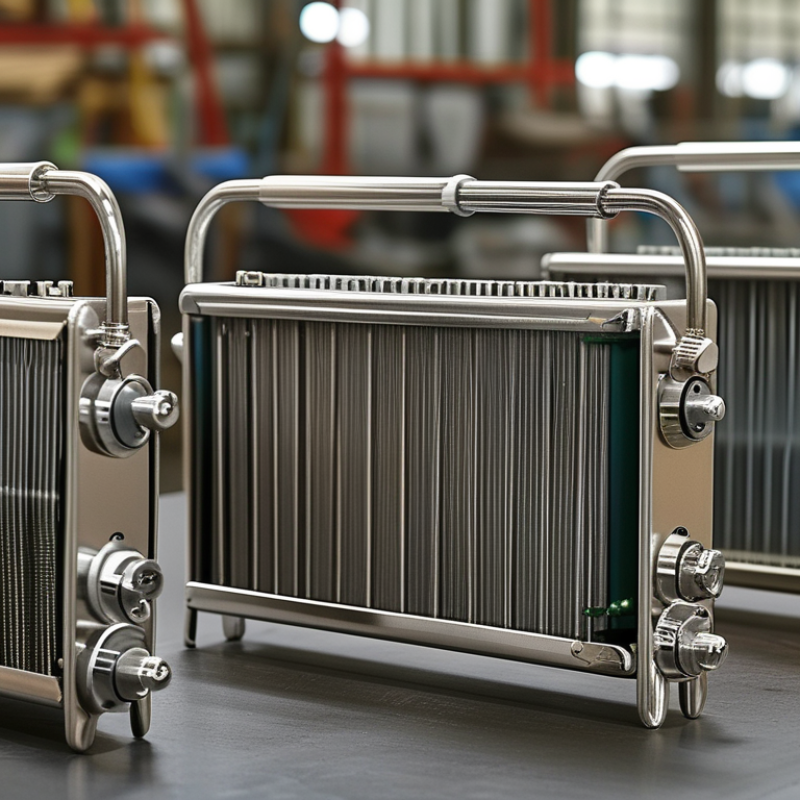
Understanding Nichrome Wire: Key Properties and Characteristics
Nichrome wire is a popular choice for heating applications due to its unique properties. One notable feature is its high electrical resistance. This quality allows it to heat up quickly when an electric current runs through it. The wire's ability to withstand high temperatures without melting is crucial for many heating tasks. Typically, nichrome can operate effectively at temperatures above 1000°F.
Another characteristic worth mentioning is its durability. Nichrome wire is resistant to oxidation, unlike other metals. This makes it ideal for usage in various environments, as it maintains its integrity over time. When selecting nichrome wire heaters, consider the gauge of the wire. Thicker wires can carry more current but may take longer to heat. On the other hand, thinner wires heat up quickly but are more prone to breaking. Balancing these factors is not always easy, and it requires careful thought regarding your specific use case.
Temperature control is also a key aspect. For precise heating needs, choosing the right controller is essential. Sometimes, users overlook this, leading to inefficient heating. Reflecting on how these attributes affect performance can help in making more informed choices. Not fully understanding nichrome’s potential may result in less satisfactory heating solutions.
Assessing Temperature Range for Optimal Nichrome Wire Applications
When selecting a nichrome wire heater, assessing the temperature range is crucial. Nichrome wire typically operates between
1,000°F to 2,350°F (538°C to 1,288°C). Understanding this range helps in tailoring applications effectively. For example, in industrial settings, a higher temperature might be necessary for metal heating processes. Conversely, home applications like 3D printing might require lower temperatures.
Research indicates that around 70% of users prioritize temperature range when choosing heating elements. A mismatch here can lead to inefficiencies or failures in heating. In misjudged temperatures, significant downtime occurs, costing time and resources. The heat distribution uniformity can also suffer, affecting the end product’s quality.
Another challenge is selecting the right gauge. Thicker wires can handle higher loads but may lose flexibility. On the other hand, thinner wires heat up quickly but may not sustain high temperatures for long periods. These nuanced decisions highlight the importance of precise temperature assessments. Each application varies, making this analysis essential for optimal nichrome wire use.
Evaluating Resistance and Durability in Nichrome Wire Heaters
When selecting a nichrome wire heater, evaluating resistance and durability is crucial. Resistance determines how much heat the wire can produce when electrical current passes through it. Nichrome wire typically has a high resistance, which allows it to generate substantial heat efficiently. This is essential for applications requiring consistent and reliable heating. Knowing the specific resistance helps tailor choices to different heating needs.
Durability is another key factor. Nichrome wire is known for its high melting point and oxidation resistance. This allows it to withstand high temperatures in various environments. However, not all nichrome wire is created equal. Users should consider the wire’s gauge and length, as these impact not only resistance but also its lifespan. A thinner wire may heat up quickly but can wear out sooner. Choosing the right combination can lead to longer-lasting performance.
While understanding these factors is vital, some users may overlook specific characteristics that impact longevity. For example, excessive bending may weaken the wire, leading to premature failure. Regular inspections can help identify early signs of wear. It's essential to remain vigilant and proactive. Balancing resistance and durability with practical use often requires careful consideration and adjustments over time.
Calculating Power Requirements for Efficient Nichrome Wire Heating
Calculating power requirements for nichrome wire heating is crucial for effective usage. The first step is to determine the desired temperature range. Knowing the target temperature helps you decide how much power is needed. Every heating application has specific parameters that differ. In some cases, you may find it difficult to reach optimal conditions. It’s vital to adjust your expectations based on your setup.
Next, you should measure the wire's resistance. This can be done easily with a multimeter. The ohm rating of the nichrome wire dictates how much current it will draw. This value directly influences the power calculation. Use the formula: Power (W) = Voltage (V) × Current (I). If you overestimate the voltage, you risk overheating and damaging the wire. Balancing these calculations may take time. Don’t rush, as precision is key for safety and efficiency.
Keep in mind that environmental factors may affect performance. Airflow, insulation, and surrounding materials all play a role in heat distribution. Occasionally, you may notice uneven heating in your setup. Continuous testing and refinement can help mitigate these issues. Identifying where improvements can be made enhances overall efficiency. Reflecting on your results allows for informed adjustments.
Selecting the Right Gauge: Impact on Performance and Efficiency
Choosing the right gauge of nichrome wire is crucial for optimal performance and efficiency in heating applications. The gauge affects the resistance and heating characteristics of the wire. Thicker wires have lower resistance, leading to higher current flow and more heat generation. This might seem advantageous, but it can lead to overheating if not managed properly. On the other hand, thinner wires produce less heat but may require a longer duration to reach desired temperatures.
Consider the specific application of your heater. For small, precise heating tasks, a thinner gauge might suffice. However, larger setups demand thicker wire to handle increased power requirements. Temperature control is another factor. A thinner wire may stabilize temperature faster, but may not maintain it as effectively under continuous use. Users often overlook these details, which can lead to inefficiencies and potential equipment damage.
Experimenting can help refine your choice. Testing different gauges can provide practical insights into performance. The gauge can impact not just heat output but also energy consumption. A practical understanding of these dynamics is necessary for reliable heating solutions. Remember, striking a balance between build quality, gauge choice, and application requirements is key to success.
FAQS
: Nichrome wire generally operates between 1,000°F to 2,350°F (538°C to 1,288°C).
It ensures tailored applications for efficiency, avoiding heating failures and costly downtime.
Inefficiencies may arise, leading to quality issues and wasted resources.
Thicker wires handle higher loads but lose flexibility; thinner wires heat quickly but may not sustain heat long.
Determine the desired temperature, measure wire resistance, then use Power (W) = Voltage (V) × Current (I).
Overestimating can lead to overheating, which may damage the wire.
Airflow, insulation, and surrounding materials can impact heat distribution and cause uneven heating.
Continuous testing and reflection on results help identify areas for improvement.
No, taking time ensures precision for safety and effective performance.
Conclusion
When choosing the best Nichrome Wire Heater for your needs, it is essential to understand the key properties and characteristics of nichrome wire. This alloy of nickel and chromium is renowned for its ability to withstand high temperatures and provide reliable resistance, making it a preferred choice for heating applications. Assessing the temperature range required for your specific use is crucial, as well as evaluating the wire's resistance and durability to ensure long-lasting performance.
Additionally, calculating the power requirements for your heating needs will help you optimize efficiency and performance. Selecting the right gauge of nichrome wire is vital, as it directly impacts the heater's performance and efficiency. By considering these factors, you can confidently choose a Nichrome Wire Heater that meets your specific heating requirements while maximizing effectiveness and reliability.

 Huayida