Choosing the right Bath Water Heater for your home can feel overwhelming. Expert Mark Anderson, a veteran in the heating industry, emphasizes, "The right heater ensures comfort and efficiency." His insight reflects the importance of making a well-informed choice.
In today’s market, Bath Water Heaters come in various types and sizes. Each type has its own benefits and limitations. For instance, tankless models offer endless hot water but may require more installation expertise. Traditional tank heaters, while straightforward, can be bulky and less energy-efficient.
When selecting a Bath Water Heater, consider your home's specific needs. Think about your family's hot water consumption patterns. Reflect on installation costs versus long-term savings. Each decision shapes your overall satisfaction. Careful consideration can lead to a reliable heating solution that enhances your daily routine.
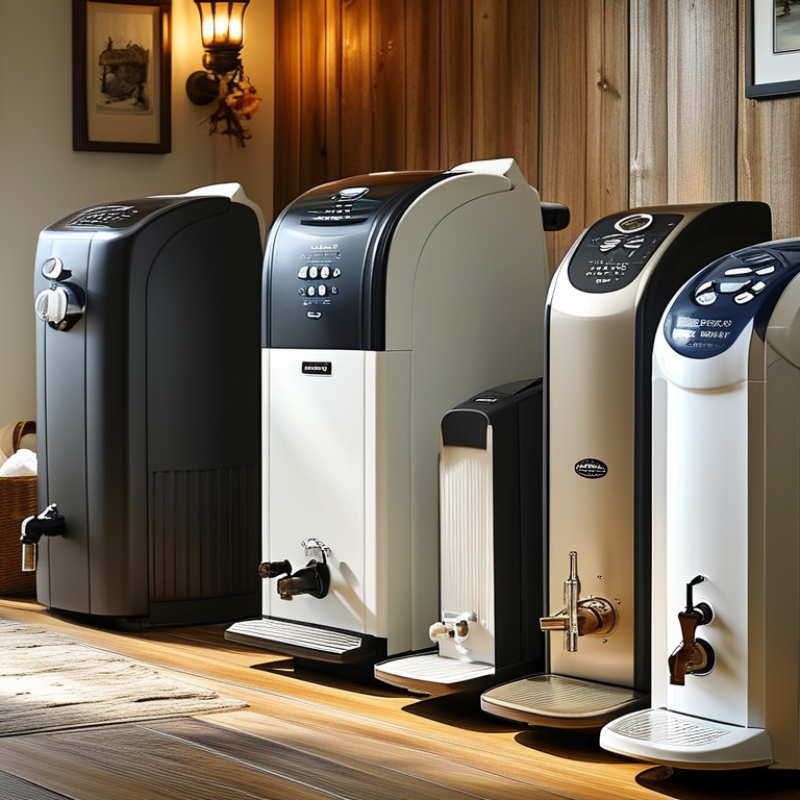
When choosing a bath water heater, understanding the differences between storage and tankless heaters is crucial.
Storage water heaters hold a specific amount of water, typically between 20 to 80 gallons.
According to the U.S. Department of Energy, these units are usually less expensive upfront, but they come with higher long-term operating costs due to standby heat loss.
This heat loss occurs when the tank continuously heats the stored water, leading to wasted energy.
On the other hand, tankless water heaters heat water on demand, providing a constant supply without the need for a storage tank.
The Energy Efficiency and Renewable Energy office reports that these systems can be 24% to 34% more energy-efficient for homes that use 41 gallons or less per day.
However, installation costs can be significantly higher, and they may struggle to meet simultaneous demands in larger households.
It’s essential to evaluate your household’s needs and usage patterns before making a decision.
While storage heaters are generally easier to install, they require more space and can pose challenges for smaller homes.
Tankless heaters save space and offer energy efficiency, but their performance can be limited under high demand.
Reflecting on these factors can guide your choice, ensuring the best fit for your home’s needs.
Each option has its pros and cons, impacting not only energy efficiency but also household convenience.
Selecting the right bath water heater can be a challenging task. One vital factor to consider is the heating method. Electric heaters are often easier to install but may not be as efficient for larger households. On the other hand, gas heaters often provide faster heating. However, they require proper ventilation, which can complicate installation.
Another important consideration is the size and capacity of the heater. A small unit might save space but could leave you with lukewarm water during peak usage times. Conversely, larger models can take up more room and might consume more energy than necessary. Keep your household's water demand in mind when making this decision.
Energy efficiency ratings also deserve careful attention. Opting for a model with a high efficiency rating can reduce your energy bills. However, sometimes these models come with a higher upfront cost. Assess your budget and balance it with long-term savings. There are many details to reflect on during this process. You don’t want to rush into a decision you might regret later.
When choosing a water heater, energy efficiency is critical. Understanding FHR (First Hour Rating) and EF (Energy Factor) values is essential.
The FHR indicates how much hot water is available in the first hour of use. A higher FHR suggests a more capable heater, crucial for families with high demands. For instance, a unit with an FHR of 60 gallons can better serve a busy household than one rated at 40 gallons.
EF measures the overall energy efficiency of a water heater, combining heating efficiency and standby losses. An EF of 0.90 or higher indicates superior efficiency.
According to the U.S. Department of Energy, conventional water heaters usually fall between 0.57 to 0.70. This suggests many options may waste energy and increase utility bills. Homes using water heaters with lower EF ratings may consider upgrades.
However, not all homeowners consider these ratings when purchasing. Budget constraints may lead to hasty decisions. A cheap, less efficient model can incur higher long-term costs. Thus, research and consideration of energy ratings can lead to wiser investments. Evaluating FHR and EF helps ensure you select a reliable, long-term solution for your home.
Choosing the right bath water heater for your home begins with understanding the gallons per minute (GPM) needed. GPM measures the flow of hot water. Knowing this helps ensure your water heater can meet your household's demands.
To determine your GPM, observe how many fixtures will use hot water simultaneously. For example, running the shower and filling a bathtub at the same time requires a higher GPM. Calculate the total flow rate of your fixtures. A standard shower head might use about 2.5 GPM, while faucets can vary between 1-2 GPM. These numbers help in making more informed choices.
When sizing your water heater, consider peak usage times. Early mornings often see higher demands. Being clear on your needs is essential, but it is also important to allow for unexpected guests or usage spikes. Reflecting on past experiences with insufficient hot water can guide your decision.
You might think you need more capacity than you actually do. This might lead to overspending or choosing an inefficient model. Balance your desires with realistic usage patterns for practical solutions. Ensuring your water heater fits your lifestyle and habits will save you time and headaches.
When budgeting for a bath water heater, installation costs can vary widely. Factors include the type of heater and labor requirements. Gas units may require venting modifications, adding to the expense. Electric heaters often have simpler setups but can also have hidden costs. It’s important to get multiple quotes from licensed professionals. Researching local codes can help avoid additional fees or fines later.
Maintenance is another cost to consider. Regular upkeep prolongs the lifespan of your water heater. Sediment buildup can cause inefficiencies. Flushing the tank occasionally is a good practice. Keeping an eye on connections and insulation will prevent energy loss. However, not all homeowners have the time or knowledge for this. Hiring a professional for annual checks might feel like an added expense, but it can save money in the long run. Budgeting for maintenance ensures you don’t face unexpected repairs later.
Consider the total cost of ownership when selecting a water heater. It’s not just about the initial purchase price. Installation and maintenance fees play significant roles in your decision-making. Reflecting on these factors will lead to a more informed choice that suits your home’s needs.
| Water Heater Type | Average Installation Cost ($) | Annual Maintenance Cost ($) | Average Lifespan (Years) |
|---|---|---|---|
| Tank Water Heater | 1,200 | 150 | 10 |
| Tankless Water Heater | 2,500 | 200 | 20 |
| Heat Pump Water Heater | 3,000 | 250 | 15 |
| Solar Water Heater | 5,000 | 300 | 20 |
| Condensing Water Heater | 4,000 | 200 | 15 |
: FHR stands for First Hour Rating, indicating hot water availability in the first hour.
A higher FHR shows a heater can meet high demand, crucial for busy families.
EF measures overall energy efficiency, combining heating efficiency and standby losses.
An EF of 0.90 or higher signifies superior energy efficiency in water heaters.
Regular maintenance prevents inefficiencies and prolongs the lifespan of your water heater.
Sediment buildup can lead to energy inefficiencies and reduce heating performance.
Installation costs vary based on heater type, labor needs, and local modifications required.
Homeowners should factor in installation and maintenance fees for total cost assessment.
Budget constraints may lead to hasty decisions, ignoring long-term energy costs.
Choosing a cheap model can incur higher long-term costs due to inefficiency.
When selecting the best bath water heater for your home, it's essential to understand the different types available, primarily storage and tankless models. Storage water heaters maintain a reservoir of hot water, while tankless options heat water on demand, providing an endless supply. Key factors to consider include the efficiency ratings, such as First-Hour Rating (FHR) and Energy Factor (EF), which indicate how well a heater performs and consumes energy.
Additionally, sizing your water heater is crucial to ensure it meets your household's needs, typically measured in gallons per minute (GPM). Proper installation and maintenance costs should also be factored into your budget when choosing a bath water heater. By carefully evaluating these aspects, you can select a heater that not only provides sufficient hot water but also optimizes energy consumption and fits your financial plan.
Huayida