Choosing a 120v Water Heater for international purchasing requires more than comparing prices. Buyers should check the intended installation, available electrical supply, water demand, and product documentation. A heater that suits one building may not suit another. Small differences matter.
Voltage is only one part of the decision. Tank capacity, heating recovery, insulation, controls, and safety features all affect daily use. For example, a compact unit may serve a handwashing station well, yet struggle with repeated showers. Read the manufacturer’s rated input and performance data carefully. Ask for clear manuals and warranty terms. Do not rely on a product photo alone.
Global buyers also need to confirm that the model is designed for their destination and installation conditions. Electrical systems and certification requirements vary by market. A qualified local installer can verify compatibility before purchase. That check may feel slow. It can prevent an expensive mismatch.
This guide looks at how buyers can assess available 120-volt water heaters, compare practical specifications, and ask suppliers better questions. It also considers where these heaters may be useful, and where their capacity or heating speed may fall short. No single model fits every property. Even a well-reviewed product deserves a closer look at its actual ratings, service support, and replacement-part availability. The details are easy to overlook, and that is worth admitting.
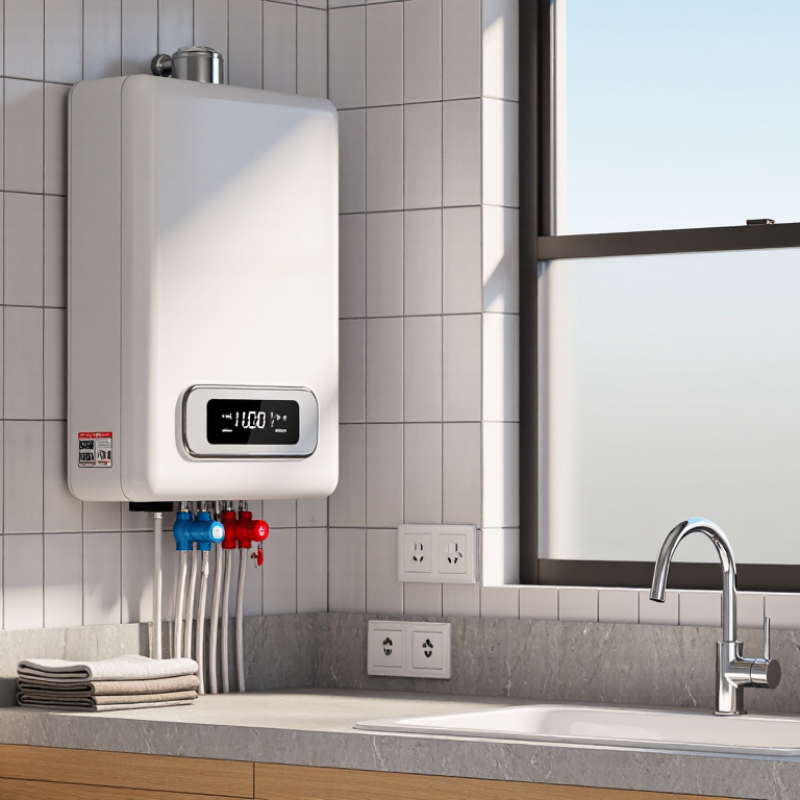
A 120V water heater is designed to operate from a nominal 120-volt electrical supply. The number describes its input voltage, not the temperature of the water. Many compact models use a storage tank, while some heat water on demand. Their size and heating speed depend on power rating, tank capacity, and incoming water temperature.
Consider a 1,500-watt unit: at 120 volts, it draws about 12.5 amps under ordinary conditions. That figure helps buyers assess electrical demand, but it does not confirm that an existing circuit is suitable. Check the heater’s rating plate and installation instructions. A qualified electrician can verify wiring, circuit capacity, grounding, and local supply requirements. Small details matter.
For global buyers, “120V” is not a universal match. Household voltage and frequency vary by country, and a plug adapter does not change either one. Using a heater on an incompatible supply may cause poor performance or create a safety hazard. A converter is not automatically a practical fix, especially for a high-power appliance. I would compare the product specifications with the actual site supply before ordering. It is easy to overlook this step when a compact heater looks simple. Tank volume, recovery time, and available space also deserve a close look.
It describes the heater’s nominal input voltage, not the water temperature. Check the rating plate and manual for the exact model’s requirements.
About 12.5 amps under ordinary conditions. This estimate does not prove that an existing circuit is suitable.
No. Household voltage and frequency vary. A plug adapter changes neither, so compare the heater’s specifications with the site supply.
Not necessarily. A converter may be unsuitable for a high-power appliance. Ask a qualified electrician to assess the supply and installation.
Review rated wattage, circuit requirements, tank capacity, recovery time, and available space. The plug fitting is only one small detail.
Match usable hot-water volume to actual demand. A small tank may suit handwashing but struggle with long showers or back-to-back use.
Check for temperature limits, overheat protection, pressure relief, and leak prevention. These features do not replace correct installation or routine inspection.
Confirm that the exact model has documentation accepted in the destination market. A logo alone is not enough; request compliance documents when needed.
Not always. Insulation, standby heat loss, and usage patterns matter too. Slow recovery may suit occasional use, but feel frustrating in a busy home.
A 120v Water Heater can be a practical choice for homes, small businesses, and compact installations when its voltage, capacity, and intended use are carefully matched. Buyers can compare common designs made in China, including compact point-of-use and storage models, while considering factors such as heating performance, energy use, temperature control, construction quality, and built-in safety features.
The right model depends on local electrical conditions, household demand, installation requirements, and the expectations of the destination market. Before purchasing, review applicable certifications and product documentation, assess the manufacturer’s quality-control process and production experience, and confirm support for testing, packaging, and after-sales service. A careful evaluation of these factors can help global buyers select a suitable and dependable water heater for their needs.

 Huayida