When choosing the best water heater for your home, it is essential to look beyond brands and models. Expert technician Sam Reynolds, known for his extensive experience in the water heater industry, once stated, "The right water heater can make or break your home’s comfort." This highlights the significance of making an informed decision about water heaters based on your unique needs.
Consider factors such as energy efficiency, capacity, and installation requirements. Each home has its own demands. Selecting a water heater should involve a careful assessment of household size and usage patterns. Some may prefer tankless options for their efficiency; others may opt for traditional tanks for their familiarity.
Moreover, while many might rush to buy the latest model, it’s crucial to reflect on long-term costs versus initial pricing. Cheaper models might lead to higher energy bills. Thus, understanding these trade-offs is vital. Investing time in research can lead to a choice you'll appreciate for years.
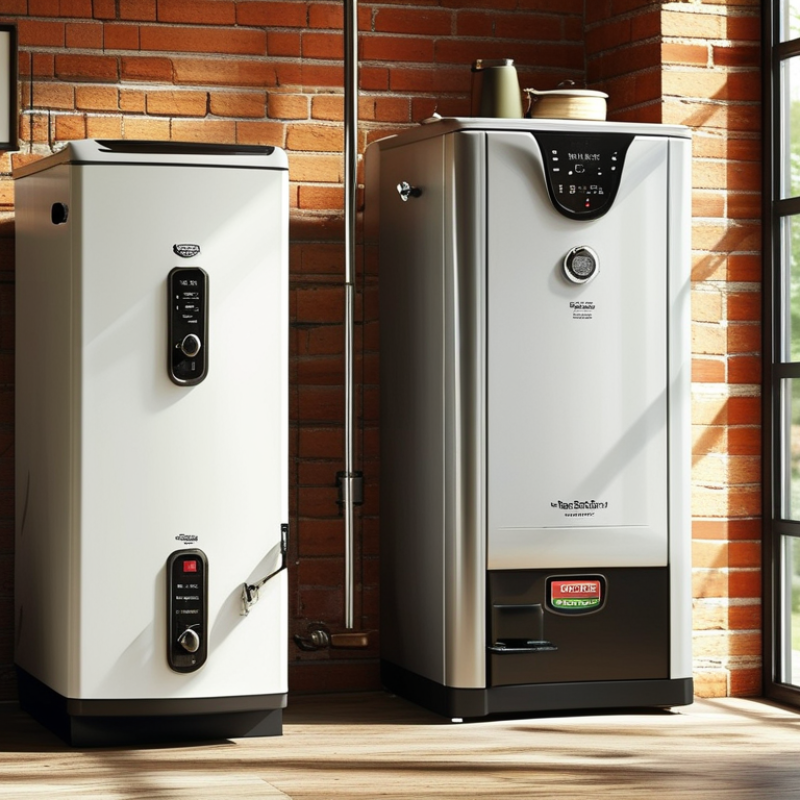
When choosing a water heater for your home, it's crucial to understand the available types. Each type has unique features and can cater to different needs. Traditional tank water heaters are common. They store hot water, ready for use. Typically, they range from 20 to 80 gallons in capacity. This model is often reliable but can take up significant space.
Tankless water heaters are gaining popularity. They heat water on demand, providing endless hot water. These units are smaller and may save energy. However, they might struggle during peak usage times. Consider the size of your household and hot water needs carefully.
Heat pump water heaters offer another alternative. They use electricity efficiently by transferring heat rather than generating it directly. However, they require a warm location to function effectively. Make sure your space meets this requirement. It's important to weigh these options, focusing on efficiency, capacity, and space. Each type offers benefits and drawbacks. Understanding these makes the decision easier.
Choosing the right water heater for your home is crucial. Several factors must be weighed before making a decision. Energy efficiency is a primary consideration. According to the U.S. Department of Energy, water heating accounts for about 18% of a home’s energy use. Opting for an energy-efficient model can lower utility bills significantly, potentially saving you hundreds annually.
Capacity is another key factor. You need to assess your family's hot water needs. For instance, a family of four may require a water heater with at least a 50-gallon capacity. However, it is essential to consider peak usage times. Misjudging your household's demand could lead to inadequate hot water or higher operational costs.
Lastly, consider installation space and type. Tankless water heaters save space and provide hot water on demand. Yet, their upfront costs are higher. A typical tank system might be easier to install but requires more room. It's essential to evaluate these options based on your home's layout and plumbing requirements. Gathering insights from industry experts can provide valuable perspectives when navigating these considerations.
Choosing a water heater goes beyond just considering the initial cost. Energy efficiency ratings play a crucial role in this process. They indicate how much energy a heater consumes compared to the hot water it provides. The higher the rating, the lower your energy bills can be. It's essential to understand that while a higher-efficiency model may have a higher upfront cost, it often leads to significant savings over time.
Understanding these ratings is important. They can guide you in selecting a heater that meets both your needs and environmental standards. For example, a heater with the Energy Star label typically requires less energy. This can reduce both your carbon footprint and monthly expenses. However, efficiency is not the only factor. Your home’s size, hot water demand, and local climate should also be considered. Sometimes, the most efficient option for one home may not suit another.
There’s ambiguity in energy ratings, too. Different testing methods can yield varying results. Furthermore, an energy-efficient model may not perform well if it’s too small for your household. Therefore, careful assessment of your hot water needs is critical. Consider consulting with a professional before making a decision to ensure it’s the right fit for you.
| Water Heater Type | Energy Efficiency Rating | Average Cost | Lifespan (Years) | First Hour Rating (Gallons) |
|---|---|---|---|---|
| Tank Water Heater | 0.55 - 0.67 | $500 - $1,500 | 10 - 15 | 30 - 60 |
| Tankless Water Heater | 0.82 - 0.94 | $1,000 - $3,000 | 20+ | 2 - 5 (per minute) |
| Heat Pump Water Heater | 2.0 - 3.0 | $1,200 - $3,500 | 10 - 15 | 60 - 80 |
| Solar Water Heater | 0.50 - 0.75 | $3,000 - $5,000 | 20+ | 30 - 50 |
| Condensing Water Heater | 0.90 - 0.95 | $1,500 - $3,500 | 15 - 20 | 40 - 70 |
Proper installation and maintenance of water heaters are crucial for their efficiency and longevity. Start by choosing the right location. Ensure it is well-ventilated and away from flammable materials. An ideal spot allows for easy access, making repairs simpler. When installing, follow the manufacturer’s guidelines closely. Ensure all connections are secure to prevent leaks. A common mistake is to overlook safety measures like pressure relief valves. These simple checks can save you from costly damages.
Regular maintenance extends the lifespan of your water heater. Flushing the tank once a year removes sediment buildup. This not only improves efficiency but also prevents corrosion. Inspect the anode rod every few years; it protects the tank from rust. Consider checking the temperature setting. Lowering it can enhance energy efficiency. Yet, be cautious. Too low a setting can encourage bacterial growth. Finding the right balance is essential.
Pay attention to any unusual noises. Banging or rumbling could indicate issues. Don't ignore warning signs like fluctuating water temperature. Responding promptly may prevent larger issues later. While DIY repairs are tempting, consult a professional for complicated problems. They have insights that can prevent future headaches. Take time to reflect on your water heater’s performance regularly. Each step you take can contribute significantly to its overall effectiveness.
Choosing the right water heater involves balancing initial costs and long-term savings. When selecting a heater, consider its efficiency. Electric heaters generally have lower upfront costs. But their energy bills can add up. Gas models may require a higher investment, but they often lower monthly expenses over time.
Annual costs are essential to factor in. More efficient models often lead to better savings on energy bills. Long-term, they can justify their higher price tag. Think about installation and maintenance too. Hidden costs may emerge after purchase, impacting your finances. It’s crucial to analyze the total cost of ownership.
Reflect on your household needs. Do you use hot water frequently? If so, an efficient unit could pay off faster. However, if your usage is sporadic, a lower-cost option may suffice. Understand the trade-offs. It’s vital to not solely focus on initial expenses. Balancing immediate affordability with future savings is key to making an informed decision.
: Common types include traditional tank, tankless, and heat pump water heaters. Each has unique features.
It stores hot water for immediate use, typically ranging from 20 to 80 gallons in capacity.
They provide endless hot water and save space. However, they may struggle during high demand.
Energy-efficient models can significantly lower utility bills and reduce environmental impact over time.
Consider your household's hot water needs. A family of four needs at least a 50-gallon tank.
Evaluate energy efficiency, capacity, and available installation space based on your home’s layout.
Higher-rated models save more energy and money, but may have higher upfront costs.
Yes, testing methods vary, so results may differ. Assessing household needs is also critical.
Professionals can provide insights and ensure that the chosen water heater meets your specific requirements.
Tankless models save room but cost more. Traditional tanks need more space for installation and maintenance.
When selecting the best water heaters for your home, it’s essential to understand the various types available, including tankless, traditional storage, and heat pump models. Each type has distinct advantages, which cater to different household needs and preferences. Factors like the size of your home, family water usage, and energy source play a crucial role in making the right choice.
Energy efficiency ratings are vital for assessing long-term savings on utility bills and minimizing environmental impact. Additionally, proper installation and routine maintenance are key to ensuring the optimal performance and longevity of your water heater. By weighing the initial investment against potential long-term savings, homeowners can make informed decisions that align with their financial and lifestyle needs.

Huayida