When it comes to home heating, a Wall Water Heater stands out as a practical choice for many. These compact units are designed to efficiently heat water, providing comfort in colder months. Their space-saving design makes them suitable for various homes, whether large or small.
Choosing the right Wall Water Heater can be challenging. Consider factors like size, energy efficiency, and installation requirements. Each home has unique needs, and the wrong choice can lead to inefficiency and frustration.
Many homeowners have found success with top-rated Wall Water Heaters that enhance energy savings and comfort. Reviews often detail experiences that highlight the importance of quality and reliability. It's vital to make an informed decision, as what works for one may not suit another. Exploring options is essential for achieving effective home heating.
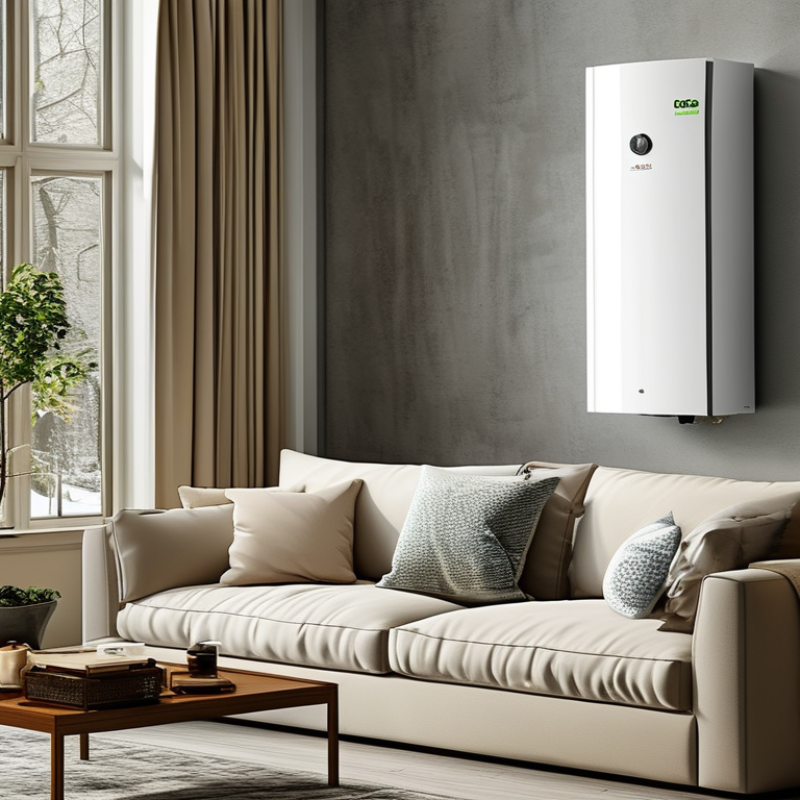
When choosing the best wall water heater for your home, it's important to consider the type that suits your needs. Gas, electric, and tankless options each have their unique benefits and limitations. According to the U.S. Department of Energy,
tankless water heaters can provide hot water on demand and are about 24-34% more energy-efficient than traditional systems. This efficiency allows homeowners to save on energy bills, especially in warmer climates.
Gas water heaters are another popular option. They typically heat water faster than electric models, making them ideal for larger households. However, reliance on gas may not be suitable for every home. Not all regions have accessible gas lines. Furthermore, gas units can emit carbon monoxide, posing safety risks if not properly ventilated. It's crucial to weigh these factors against the convenience gas provides.
Electric water heaters are often easier to install and maintain. They can be a good choice for homes without gas connections. However, they may lead to higher energy costs. A report from the Energy Information Administration suggests that the average monthly bill for electric hot water systems is 15% higher than for gas systems. Evaluating these nuances is key when deciding which wall water heater best meets your heating needs.
Energy efficiency ratings play a crucial role in the selection of wall water heaters. The Energy Star certification indicates that a product meets rigorous energy efficiency standards set by the Environmental Protection Agency. According to the U.S. Department of Energy, products with an Energy Star rating can save users 10% to 50% on energy costs. This savings can greatly impact household budgets over time.
Understanding these ratings is essential for making informed choices. Energy-efficient water heaters typically have high recovery rates and lower standby heat loss. For instance, models labeled as high-efficiency can reduce energy consumption by nearly 30%. However, not all units labeled as efficient may deliver on their promises. Consumers should always review independent efficiency data and manufacturer claims critically.
In addition to cost savings, energy-efficient heaters contribute to environmental sustainability. The carbon footprint associated with heating water can be significant. Research has shown that reducing energy use can lead to a decrease in greenhouse gas emissions. Still, consumers must be cautious. Some claims can exaggerate efficiency and not all models are equally effective in diverse home environments.
When selecting a wall water heater, proper sizing is crucial for achieving optimal performance and comfort. Industry reports indicate that undersized units lead to insufficient hot water supply, causing discomfort. Conversely, oversized heaters can waste energy and increase operational costs. A well-sized unit works efficiently, saving homeowners up to 20% on energy bills.
Consider your household's peak hot water demand. For an average family of four, a heater with a capacity of 40-60 gallons is often sufficient. Homeowners should also account for additional factors, such as climate and usage patterns, which can influence sizing. It’s not just about the numbers; understanding these dynamics is essential.
When in doubt, consult with a professional. Accurate calculations can help avoid costly mistakes. Measure all fixtures that require hot water to get a clear picture of your needs. Adjustments may be necessary based on lifestyle changes or the addition of new appliances. Planning ahead ensures long-term efficiency and comfort throughout your home.
| Model | Type | Heating Capacity (BTU/hr) | Energy Efficiency Rating (EF) | Dimensions (inches) | Weight (lbs) | Price Range ($) |
|---|---|---|---|---|---|---|
| Model A | Electric | 10,000 | 0.98 | 24 x 20 x 12 | 45 | 200-300 |
| Model B | Gas | 30,000 | 0.92 | 24 x 30 x 14 | 60 | 350-500 |
| Model C | Propane | 15,000 | 0.95 | 26 x 22 x 10 | 50 | 250-350 |
| Model D | Hybrid | 20,000 | 1.0 | 30 x 24 x 12 | 55 | 400-600 |
When considering wall-mounted water heaters, installation plays a significant role. Wall-mounted units are space-efficient and can be installed in smaller areas. They are ideal for homes with limited floor space. These systems often require less plumbing work than traditional setups. However, you should assess the structural integrity of the wall. Some installations might require reinforcement.
Traditional water heaters usually occupy more space. They are often located in basements or utility rooms. While they tend to have a higher capacity, they can be less flexible for home placement. Maintenance can be easier with traditional systems. They offer easier access for repairs and inspections. But they may not be as efficient as wall-mounted options in energy consumption.
Each choice presents unique challenges. Wall-mounted models may require more thoughtful planning for venting and connections. Traditional systems, while generally simpler, could lead to inefficiencies in energy use. Your decision should reflect your home’s specific needs and your willingness to handle potential installation drawbacks. It’s crucial to weigh these options carefully to find the best solution for your heating needs.
Regular maintenance is essential for extending the lifespan of wall water heaters. According to the U.S. Department of Energy, proper care can improve efficiency by up to 30%. Flushing the tank annually helps to remove sediment buildup, which can hinder performance. Sediment acts as an insulator, reducing heat transfer and increasing energy consumption. Neglecting this simple task may lead to higher utility bills over time.
Checking the anode rod every few years is another crucial step. This rod prevents corrosion inside the tank. If it’s less than half an inch thick, it’s time for a replacement. Failing to do so can lead to leaks and costly repairs. Additionally, ensure that the temperature setting is around 120°F. This helps prevent scalding and reduces energy use. The American Council for an Energy-Efficient Economy emphasizes that managing heater temperature correctly can lower costs while enhancing safety.
Regular inspections can spot potential issues early. Look for signs of rust or leaks. If these problems arise, they could signal a need for professional evaluation. Ignoring such signs may result in an unexpected replacement. Small actions can make a significant difference in maintaining efficiency and extending the water heater's service life. By implementing these tips, homeowners can achieve a balance between performance and cost-efficiency.
: Energy efficiency ratings help in selecting wall water heaters. They indicate potential energy savings.
Users can save 10% to 50% on energy costs with Energy Star rated products. This can affect household budgets significantly.
Proper sizing ensures optimal performance and comfort. Undersized units lead to insufficient hot water supply.
Oversized heaters can waste energy and increase operational costs. This can lead to unnecessary expenses.
Consider your household's peak hot water demand. A family of four typically needs a 40-60 gallon heater.
Yes, consulting a professional can help avoid mistakes. Accurate calculations cater to your specific needs.
No, efficiency claims may be exaggerated. Review independent data and manufacturer claims critically.
Think about climate, usage patterns, and future appliance changes. These factors influence sizing decisions.
Yes, reducing energy use lowers greenhouse gas emissions. It also contributes to environmental sustainability.
When considering the best wall water heater options for efficient home heating, it's essential to explore the different types available, including gas, electric, and tankless models. Each type offers unique benefits and energy efficiency ratings, making it crucial to understand the importance of Energy Star certification in choosing an environmentally friendly solution.
Proper sizing of your wall water heater is vital for optimal performance and comfort, as it directly impacts energy use and heating capabilities. Additionally, installation considerations, such as wall mounting versus traditional systems, play a significant role in overall efficiency. Lastly, implementing regular maintenance tips can ensure the longevity and efficiency of your wall water heater, keeping it running smoothly for years to come.

Huayida