Choosing a compact water heater can feel simple until voltage, water pressure, and installation space enter the decision. Global buyers face different climates, electrical systems, household habits, and safety requirements. A model that performs well in a small apartment may struggle in a rural guesthouse. This guide examines five practical options for Small Heater Water applications, focusing on capacity, heating speed, energy use, durability, and everyday convenience.
Water-heating engineer Daniel Reed explains, “The best small heater is not the smallest one; it is the one that matches demand safely.” That principle guides this comparison. A 10-liter unit may suit handwashing, while a 30-liter model could better support one shower. Recovery time matters. So does insulation.
Details matter.
We consider storage and instant-heating designs, because each solves a different problem. We also check thermostat control, pressure relief protection, corrosion resistance, replacement parts, and installation requirements. Buyers should confirm local voltage and frequency before ordering. Certifications can vary by country, and sellers may describe similar features differently. Professional installation remains wise, especially near wet areas.
No ranking is perfect. Real homes behave differently. A quiet heater may consume more energy than expected, while a budget model may offer limited servicing support. I have included those trade-offs rather than hiding them behind polished specifications. The goal is not to promise one universal winner. It is to help buyers identify a dependable Small Heater Water solution for their space, routine, and local conditions.
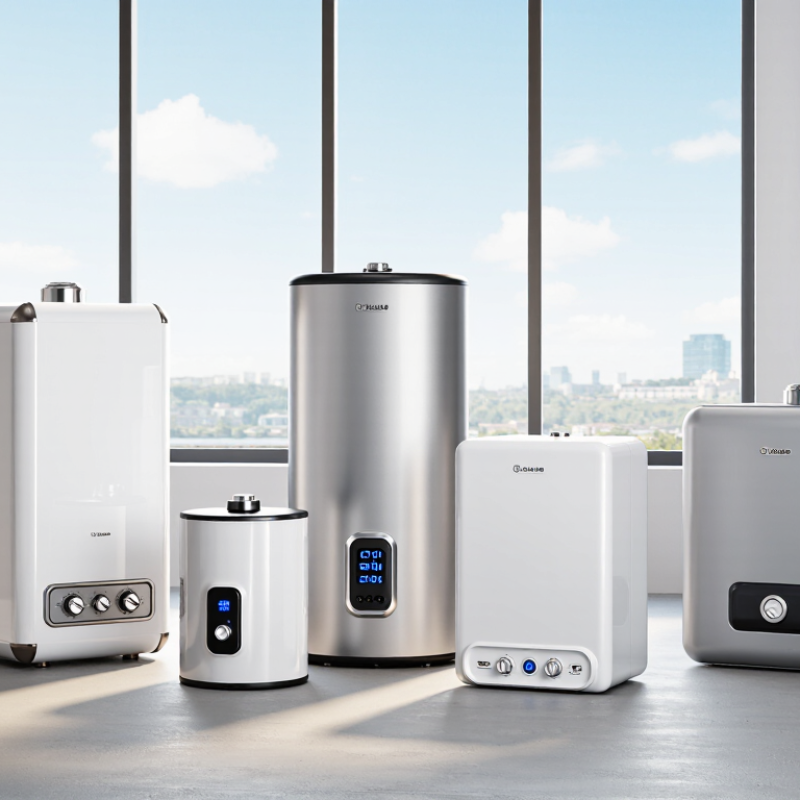
What Makes a Small Water Heater Suitable for Global Buyers
For global buyers, a small water heater must fit more than a limited space. It must also suit local voltage, frequency, water pressure, and climate. A compact unit may work well in a studio apartment but struggle in a cold region with long pipe runs. Check the electrical rating before checking the design. A mismatch can reduce performance and create serious safety risks.
Capacity matters, but bigger is not always better. A 10-liter tank may serve one handwashing station, while a 30-liter model can support a small shower with careful use. Tank insulation helps maintain heat during short gaps between uses. Tankless designs save space, yet they often need stable water flow and higher electrical capacity. Safety features should include temperature control, dry-heating protection, pressure relief, and clear installation instructions. Local certification is also essential, because approval standards differ between markets.
Tips: Measure the wall, pipe position, and service clearance first. Confirm the local voltage with a qualified electrician. Ask whether replacement parts and technical support are available in your region. Read the manual before purchase, not after installation. I have seen buyers focus on liters and overlook recovery time. That detail can disappoint a family during morning use. No heater suits every household, so compare real usage, climate, maintenance access, and installation limits before choosing.
Five Leading Small Water Heater Types and Their Main Strengths
Choosing a small water heater depends on space, water demand, energy prices, and local installation rules. Five types serve global buyers especially well.
Compact storage heaters keep a reserve of hot water in an insulated tank. They are simple, familiar, and useful where electrical capacity is limited. Tankless electric heaters heat water only during use. Their small size suits apartments, but they may require strong wiring and steady voltage.
Point-of-use heaters install near a sink or shower. They reduce pipe heat loss and provide fast hot water for one fixture. Capacity must be checked carefully. A unit that works for handwashing may disappoint during a long shower.
Heat pump water heaters use electricity more efficiently by moving heat from surrounding air. They can lower operating costs in suitable climates, although they need ventilation and more purchase space. Solar water heaters can reduce daytime energy use in sunny regions. Their performance falls during cloudy weather, and most homes still need backup heating. That detail is easy to overlook. A mixed system often works better than a solar-only setup.
From practical evaluations, insulation quality, temperature control, corrosion resistance, and replacement-part access matter as much as headline efficiency. Buyers should verify voltage, water pressure, certification, and service availability before ordering internationally. Local plumbing customs also differ. A compact design is not automatically a good fit. I have seen space-saving choices create slow recovery, awkward maintenance, or unexpected electrical upgrades. The best selection matches daily demand rather than the smallest advertised dimensions.
How Capacity, Energy Source, and Efficiency Affect Selection
Choosing a small water heater starts with capacity, not appearance. A 10–15-liter point-of-use tank suits one basin or handwashing station. A 30–50-liter tank may serve one person’s shower. Two users usually need careful scheduling. Actual demand changes with climate, pipe length, and shower duration. A neat calculation can still fail during winter mornings.
Energy source changes operating cost and installation risk. Electric resistance heaters are simple and widely available, but they consume power whenever heating begins. Gas instantaneous units can provide strong output, yet ventilation and local safety rules require professional assessment. Solar-assisted systems reduce daytime electricity demand, but cloudy weeks need backup heating. The International Energy Agency’s Energy Efficiency 2023 report identifies water heating as a major household energy load worldwide. That makes the energy source more important than a slightly cheaper purchase price.
Efficiency deserves close attention. The U.S. Department of Energy estimates water heating uses about 18% of home energy in the United States. ENERGY STAR reports that certified heat-pump water heaters can be two to three times more efficient than standard electric models. They need airflow and perform differently in cold rooms. For many global buyers, the strongest five choices are point-of-use electric, compact storage electric, heat-pump, gas instantaneous, and solar-assisted heaters. Check recovery rate, standby loss, voltage, water pressure, and service access. I would not trust a high efficiency label without verifying the test standard and local climate.
Safety Features, Installation Needs, and Regional Compatibility
5 Best Small Water Heaters for Global Buyers
Small water heaters suit different homes, climates, and electrical systems. Point-of-use storage tanks provide stable hot water for one sink or shower. Electric tankless models save cabinet space, but they may require high-amperage wiring. Heat-pump water heaters use less electricity, although they need airflow and a warmer installation area. Gas instantaneous heaters work well where fuel supply and ventilation are reliable. Solar-assisted systems can reduce daytime energy use in sunny regions, but backup heating remains necessary. A small tank is not always the best choice.
Safety must guide the purchase. The U.S. Department of Energy estimates water heating uses about 18% of household energy. Efficient design matters. DOE data also indicates heat-pump water heaters can use two to three times less electricity than standard resistance models. Electric units need proper grounding, circuit protection, and a pressure-relief valve. Gas models need approved flues, combustion air, and carbon-monoxide protection. IEC 60335-2-21 covers storage heaters, while IEC 60335-2-35 addresses instantaneous heaters. Local codes still control installation.
Regional compatibility often decides success. Check voltage, frequency, plug type, water pressure, and pipe fittings before ordering. Many markets use 230 volts and 50 hertz, while North American homes commonly use 120 or 240 volts and 60 hertz. An adapter cannot correct incompatible heating loads. Hard-water regions may need a replaceable anode or descaling access. Coastal homes need corrosion-resistant materials. I have seen buyers prioritize capacity and regret ignoring service access. It is an easy mistake. Certified local installation remains essential.
5 Best Small Water Heaters for Global Buyers
Safety Features, Installation Needs, and Regional Compatibility
How to read the chart
The chart compares typical electrical current requirements at 120 V and 230 V for five common small-water-heater configurations. Values are calculated from representative input ratings using the formula
current = power ÷ voltage. Lower current generally means easier regional compatibility, while high-power tankless units usually require dedicated circuits, correct wire sizing, grounding, and RCD/GFCI protection.
| Configuration |
Typical Safety Features |
Installation Needs |
Regional Compatibility |
| 10 L compact storage |
Thermostat, thermal cut-out, pressure-relief valve |
Often suitable for a small dedicated circuit |
Good fit for 120 V and 230 V markets |
| 15 L compact storage |
Thermostat, thermal cut-out, pressure-relief valve |
Requires suitable wall support and water connections |
Widely available in both voltage regions |
| 30 L compact storage |
Thermostat, thermal cut-out, pressure-relief valve |
Heavier installation and more wall clearance |
Usually easier in 220–240 V systems |
| 3.5 kW point-of-use tankless |
Flow sensor, thermal cut-out, RCD/GFCI protection |
Dedicated high-current circuit is normally required |
More practical in 220–240 V regions |
| 5.5 kW point-of-use tankless |
Flow sensor, thermal cut-out, RCD/GFCI protection |
Requires careful circuit, cable, breaker, and grounding design |
Generally unsuitable for ordinary 120 V circuits |
How to Choose the Best Small Water Heater for Your Needs
Choosing the best small water heater starts with your daily routine. A compact unit may serve one sink, shower, or kitchen area. Estimate water demand before comparing capacity. A single user may need less storage than a family sharing one bathroom. Check the recovery rate, because a small tank can empty quickly during back-to-back showers. Point-of-use models reduce waiting time and may suit distant fixtures.
Electrical compatibility matters for global buyers. Confirm the local voltage, frequency, plug design, and circuit requirements. Never assume a heater supports every electrical system. Look for recognized safety certification in your country or region. Temperature controls should be clear and stable. Overheat protection, pressure relief, and corrosion-resistant materials also deserve attention. Installation quality affects safety and service life. I once underestimated clearance space, which made maintenance unnecessarily difficult.
Tips: Measure the installation area, including pipe access and service clearance. Compare insulation quality, standby energy use, and warranty conditions. Hard water may require a replaceable heating element or routine descaling. Ask a qualified installer to inspect grounding and water pressure. Keep the manual nearby. Small heaters are not always simple. A cheaper model may consume more energy or need frequent servicing. Consider repair access, available parts, and the cost of installation before deciding.
Conclusion
Choosing the right small water heater for global use requires more than comparing size and price. A suitable unit should match local voltage, plumbing standards, climate, and household hot-water needs while offering reliable performance in limited spaces. Common options include storage heaters, tankless models, point-of-use units, heat-pump systems, and solar-assisted heaters. Each type has different strengths in convenience, energy savings, installation flexibility, and long-term operating cost. Understanding these differences helps buyers select a practical Small Heater Water solution for homes, offices, apartments, or remote locations.
Capacity, energy source, and efficiency are central to the decision. Buyers should estimate daily demand, check available electricity or fuel sources, and consider insulation and standby losses. Safety features such as temperature control, pressure relief, leakage protection, and automatic shutoff are also essential. Installation should follow local regulations and be handled by qualified professionals when necessary. By balancing performance, safety, regional compatibility, maintenance needs, and budget, global buyers can choose a compact water heater that delivers dependable hot water without unnecessary energy consumption.

 Huayida