What is the Best Resistive Wire Heater for Your Needs?

Time:2026-03-30 Author:Madeline
0%

Choosing the right Resistive Wire Heater can significantly impact efficiency and performance in various applications. According to industry reports, the market for such heaters is experiencing steady growth, projected to reach USD 2 billion by 2025. This increasing demand reflects their importance in industries ranging from manufacturing to residential heating.

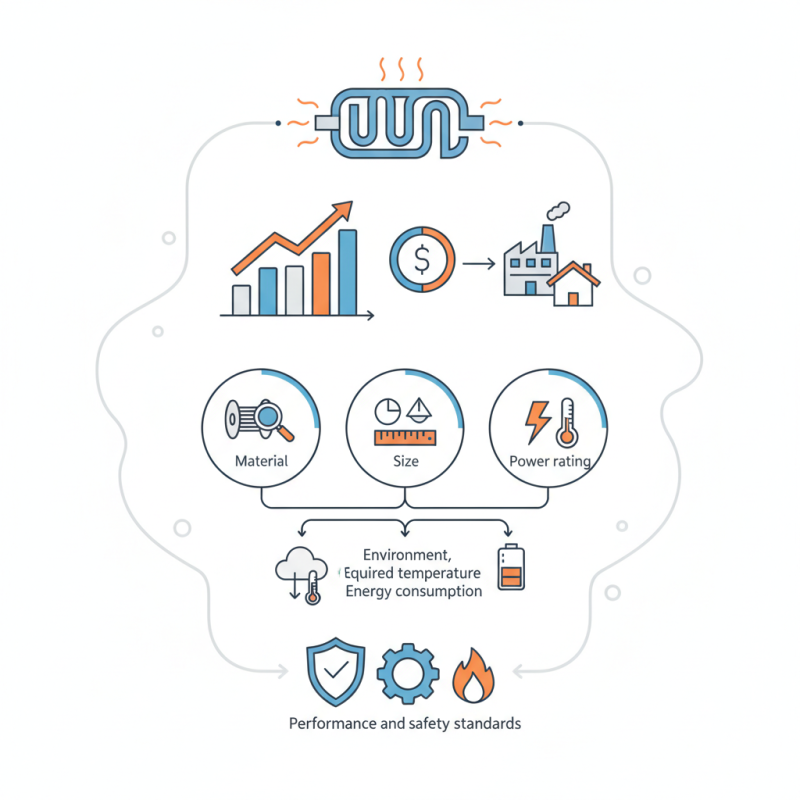
Resistive Wire Heaters convert electrical energy into heat effectively, making them ideal for diverse uses. However, not all heaters are created equal. Factors like material, size, and power rating play crucial roles in their efficiency. Inadequate selection can lead to suboptimal performance or even safety hazards.

Many users overlook the nuances of their specific heating needs. It’s essential to assess the environment, required temperature, and energy consumption. By doing so, users can make informed choices that align with their operational goals. Understanding these elements helps ensure that the selected Resistive Wire Heater meets both performance and safety standards.
What is the Best Resistive Wire Heater for Your Needs?

Factors to Consider When Choosing a Resistive Wire Heater

When choosing a resistive wire heater, various factors come into play. Efficiency is crucial. According to a report from the Department of Energy, optimal energy consumption can reduce costs by up to 50%. It's important to assess the wattage required for your specific application. Higher wattage usually means faster heating, but it also increases energy use.

Material choice significantly affects performance. Common options include nickel-chromium and iron-chromium alloys. A study by the Journal of Applied Physics indicates that nickel-chromium alloys offer superior longevity and temperature stability. However, they may be pricier than alternatives. Be sure to consider the operating environment. Factors like humidity and exposure to chemicals can impact the heater’s lifespan.

Installation requirements should also be evaluated. Improper setup may lead to inefficient heating or even safety hazards. Pay attention to wire diameter and insulation type, as these elements influence heat transfer and safety. You might find that not all heaters can operate in high-temperature or corrosive conditions. Consider your unique needs carefully, as what works for one setting may not suit another. This reflection can help ensure you make an informed decision tailored to your situation.

Types of Resistive Wire Heaters and Their Applications

When it comes to resistive wire heaters, several types cater to different applications. These heaters convert electrical energy into heat through resistance. The most common types are nickel-chromium (NiCr) wires and constantan wires. NiCr wires are known for their high-temperature resistance and durability. They are often used in industrial settings where high heat is essential. Constantan wires offer good stability and are suitable for lower-temperature applications.

In homes, resistive wire heaters can be found in various forms. They are common in electric stoves and ovens, providing consistent heating. Many people overlook their use in smaller devices like soldering tools. For specific applications, selecting the right type is crucial. For example, using a NiCr wire in a low-heat application might lead to unnecessary energy consumption. This mismatch can result in inefficiencies.

Experiencing the benefits of resistive wire heaters requires careful consideration. Factors such as wire gauge, resistance, and thermal characteristics play significant roles. It’s important to research and understand your heating needs. No single solution fits all. Often, the choice might not yield perfect results. Reflecting on these aspects can lead to smarter decisions in selecting a heater.

Evaluating Thermal Efficiency and Performance Ratings

When selecting a resistive wire heater, thermal efficiency is a key factor. According to industry reports, a properly designed heater can achieve thermal efficiencies exceeding 90%. High thermal efficiency ensures that more energy is converted to heat, making your applications effective and cost-efficient.

Performance ratings are also crucial. Look for heaters with a high watt density, as this often correlates with better heat output and faster heating times. Some models provide detailed performance data, showcasing how they perform across various temperatures. This information can help you avoid potential pitfalls like overheating or inadequate heating performance.

Tip: Always check for the heater's maximum operating temperature. Selecting a heater that exceeds your requirements can lead to inefficiencies or safety hazards.

It’s also essential to consider the material used in the heater's construction. Features like corrosion resistance and durability contribute significantly to individual performance metrics. While it may seem trivial, a mismatch in material can lead to early failure and increased costs over time.

Tip: Ensure adequate insulation around your heating element. Proper insulation not only enhances efficiency but also enhances safety.

Safety Features and Maintenance of Resistive Wire Heaters

When selecting a resistive wire heater, safety features should be a top priority. These heaters can reach high temperatures, which poses a risk if not monitored properly. Look for models equipped with thermal cutoffs. These automatic systems shut off the heater if it becomes too hot. Additionally, consider those with overcurrent protection to prevent electrical failures. Always remember that even the best systems need careful handling.

Maintenance is crucial for safe operation. Regularly check for frayed wires or corrosion. Dust buildup can also pose fire hazards. Clean the heating elements gently with a soft, dry cloth. This ensures efficient heat transfer and prolongs the life of your unit.

**Tips**: Test your heater regularly. This helps detect any issues early. Understand the recommended voltage and power ratings for your specific model. If any part appears damaged, avoid using the heater until it's repaired. Stay aware, stay safe.

What is the Best Resistive Wire Heater for Your Needs?

Heater Type Power Output (W) Temperature Range (°C) Safety Features Maintenance Requirements
Standard Wire Heater 1000 0 - 250 Overheat protection Weekly cleaning
High-Temperature Wire Heater 1500 -20 - 350 Thermal cut-off Monthly inspection
Flexible Wire Heater 800 0 - 200 Insulation protection Routine checks
Ceramic Wire Heater 1200 -40 - 250 Flame retardant materials Bi-annual maintenance

Cost Analysis: Budgeting for Your Resistive Wire Heater Needs

When budgeting for a resistive wire heater, consider both upfront and ongoing costs. The initial purchase price can vary significantly based on materials and specifications. Cheaper options may save money initially, but they often come with higher energy costs. Investing in a more efficient heater can pay off in the long run. This trade-off is crucial to assess when planning your budget.

Beyond the purchase price, installation and maintenance costs must be factored in. Installation may require professional help, leading to additional expenses. Regular maintenance can also add up over time. It's essential to weigh these costs against potential savings on energy bills. Do your research to find a model that aligns with your needs and budget.

Don’t overlook safety certifications. Although they may lead to higher upfront costs, they ensure reliable performance. A lack of certification can result in higher risks, leading to potential damage or accidents. Reflecting on past choices can help avoid future issues. Understanding these factors ensures better financial decisions as you select your resistive wire heater.

Cost Analysis of Resistive Wire Heaters

This chart illustrates the cost comparison of different resistive wire heaters based on their wattage and voltage ratings. Each category reflects the average price range for heaters tailored to specific applications.

FAQS

: What is the main factor to consider when choosing a resistive wire heater?

: Efficiency is crucial. It can reduce costs by up to 50%.

How does wattage impact heating?

Higher wattage typically provides faster heating but also increases energy consumption.

What materials are commonly used for resistive wire heaters?

Nickel-chromium and iron-chromium alloys are popular for their performance.

How do environmental factors affect the heater's lifespan?

Humidity and chemical exposure can significantly shorten the heater’s lifespan.

What happens if the installation is not done correctly?

Improper setup may lead to inefficient heating or even create safety risks.

Why is it important to choose the right wire type for the application?

Using the wrong type can lead to inefficiencies and increased energy use.

Can all heaters operate in high-temperature or corrosive environments?

No, not all heaters can handle extreme conditions effectively.

What are common applications for resistive wire heaters in homes?

They are often found in electric stoves, ovens, and soldering tools.

How can one ensure they make an informed heater choice?

Researching wire gauge, resistance, and thermal characteristics is essential.

Is there a one-size-fits-all solution for resistive wire heaters?

No, each application requires specific consideration for optimal results.

Conclusion

When selecting the best resistive wire heater for your needs, several factors must be considered to ensure optimal performance and safety. First, evaluate the types of resistive wire heaters available and their specific applications, as this will influence their efficiency in various settings. Thermal efficiency and performance ratings are crucial metrics; they help determine how effectively a heater converts energy into heat.

Additionally, scrutinizing safety features and maintenance requirements will ensure longevity and safe operation. Finally, conducting a cost analysis is essential, as budgeting for your resistive wire heater needs will help you make a wise investment that balances quality with affordability. By considering these elements, you can choose a resistive wire heater that effectively meets your heating requirements.


Madeline

Madeline

Madeline is a dedicated marketing professional with a wealth of expertise in our company's core offerings. With a keen understanding of the industry, she brings a unique perspective to her role, consistently delivering high-quality content that highlights the superior aspects of our products. As......