In recent years, the use of Bathroom Water Heaters has gained significant attention in residential settings, particularly in regions with colder climates. According to a report by the International Energy Agency (IEA), bathroom water heaters contribute to about 15% of a household’s energy consumption. Understanding their functionality is essential for homeowners looking to optimize energy use.
Expert James Thompson, a leading figure in home energy solutions, asserts, "Bathroom Water Heaters can drastically improve efficiency and comfort when used correctly." His insights highlight the importance of selecting the right type—storage or tankless—to fit various household needs. Many homeowners mistakenly overlook proper sizing, which can lead to heating inefficiencies and increased operational costs.
Despite their benefits, some challenges exist. For instance, inadequate insulation can lead to heat loss. This inefficiency often goes unnoticed until high energy bills arrive. Homeowners should regularly assess their systems for potential flaws to maximize their investment. Taking these steps can transform a standard bathroom into an efficient and more comfortable space.
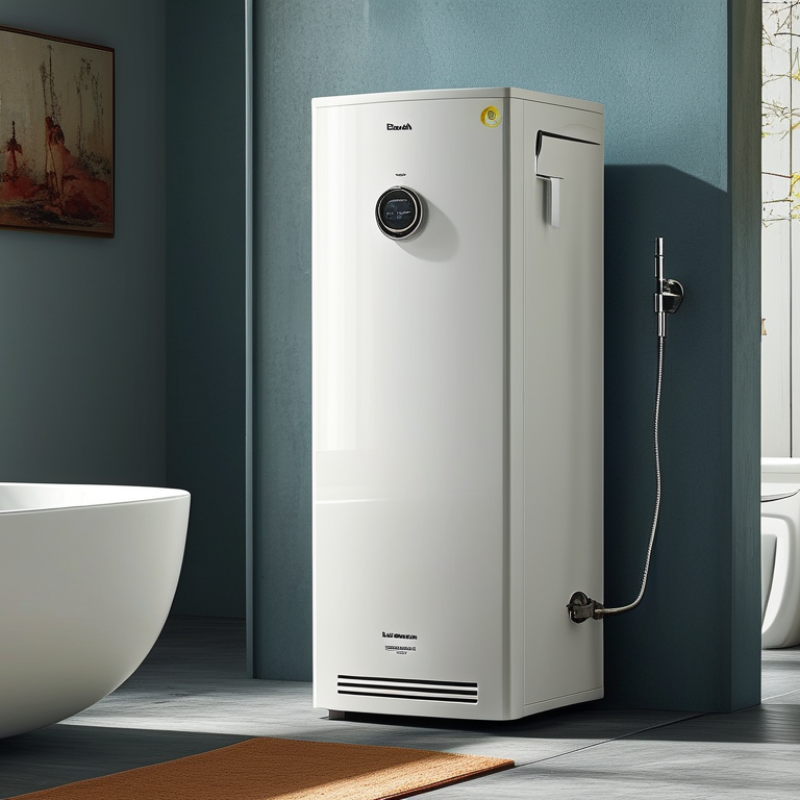
A bathroom water heater is a compact device designed to provide hot water specifically for bathroom use. It heats water efficiently, ensuring you have hot showers whenever you need them. These water heaters can be installed directly in the bathroom or nearby, offering convenience and saving space.
When choosing a bathroom water heater, consider the size of your bathroom and your hot water needs. If your household has multiple users, a larger capacity heater might be necessary. However, a smaller unit could suffice for single-use scenarios. Keep in mind that efficiency ratings can vary, so look for models that consume less energy while providing adequate hot water.
Tips: Regularly check the heater for signs of wear and tear. Listen for unusual noises that might indicate a problem. This can help you catch any issues early. Also, insulate pipes to minimize heat loss. This small step can save energy and reduce your water heating costs over time.
Bathroom water heaters come in various types, each suited to different needs. Tankless water heaters are popular for small spaces. They heat water on demand, saving energy when not in use. This design allows for endless hot water. However, they may struggle to supply multiple outlets simultaneously during peak usage.
Storage tank water heaters are another common choice. These units store a specific amount of hot water. Typically, they range from 20 to 80 gallons, providing a reliable supply for bathing and washing. Despite their capacity, they can run out of hot water during heavy use. Regular maintenance is crucial to prolonging their life.
Electric and gas water heaters vary in installation and efficiency. Electric models are easier to install and often more compact. Meanwhile, gas heaters may offer faster heating times and lower operational costs. The choice depends on personal preference and available resources. Each type has its pros and cons, making it essential to evaluate specific needs and situations before committing to a purchase.
| Type of Water Heater | Description | Efficiency | Capacity (Gallons) | Average Cost |
|---|---|---|---|---|
| Tank Water Heater | Stores hot water in a tank, provides a steady supply. | 60-70% | 20-80 | $300 - $1,000 |
| Tankless Water Heater | Heats water on demand, no storage tank needed. | 80-99% | 1.5-5 | $500 - $2,500 |
| Heat Pump Water Heater | Uses electricity to move heat from the air or ground to heat water. | 200-300% | 40-80 | $800 - $3,000 |
| Solar Water Heater | Uses solar panels to absorb and apply the sun's energy to heat water. | 50-90% | 30-80 | $3,000 - $6,000 |
Bathroom water heaters are essential in providing on-demand hot water for showers, sinks, and baths. Their mechanical function is fascinating. These heaters typically utilize either electricity or gas. When the system is activated, cold water flows into a tank or directly into the heating unit.
In electric models, heating elements warm the water as it moves through. Gas models ignite burners that heat the water. This process occurs within a matter of minutes. Thermostats regulate the temperature, ensuring consistent hot water supply. However, efficiency can fluctuate based on the model and maintenance.
It’s important to consider the flow rate. A heater with a low flow rate may lead to disappointment during morning rush hours. Regular updates and checks can enhance reliability. But not everyone realizes the impact of neglect. Over time, sediment build-up can reduce effectiveness, urging homeowners to reflect on their routines. Proper cleaning often gets overlooked but can significantly prolong the heater's lifespan.
Bathroom water heaters are increasingly popular due to their numerous benefits. They provide hot water on demand, which is essential for comfort in daily routines. A study by the Department of Energy indicates that water heating accounts for approximately 18% of residential energy consumption. This highlights the need for efficient systems.
One major advantage is energy efficiency. On-demand water heaters only heat water as needed. This can lead to significant energy savings, reducing monthly utility bills by up to 30%. Furthermore, they take up less space compared to traditional tanks, making them ideal for compact bathrooms.
Tip:
Consider installing a timer to optimize heating times, further saving energy.
Tip:
Regular maintenance checks can prevent unexpected failures and ensure longevity.
Installing a bathroom water heater requires careful consideration.
Location is crucial. Placing it within proximity to the bathroom reduces heat loss.
According to a study from the Department of Energy, water heating accounts for
14% to 18% of a home's energy consumption.
Proper installation directly impacts efficiency.
Regular maintenance prevents costly repairs. Flushing the tank annually removes
sediment buildup, which improves heating efficiency.
This task is relatively simple. Checking the temperature setting is also important.
Experts recommend setting it at 120°F to avoid scalding and save energy.
One quick tip: inspect the anode rod every few years. It helps to prevent corrosion
inside the tank. If the rod is more than 50% corroded, replace it.
Doing so extends the life of your water heater. Not all homeowners take this step, which
can lead to significant issues down the line. Keeping records of maintenance can ensure
reliability over time.
: A bathroom water heater provides hot water specifically for bathroom use. It heats water efficiently for showers.
Consider the size of your bathroom and your hot water needs. Larger families may require bigger heaters.
Types include tankless and storage tank heaters. Tankless heaters heat on demand, while storage tanks hold hot water.
Tankless heaters heat water as needed, saving energy when not in use. They provide endless hot water.
Regularly check for wear and tear. Inspect for unusual noises and clean sediment build-up to enhance performance.
Neglect can cause reduced efficiency and reliability. Over time, buildup can significantly affect the heater's lifespan.
Electric heaters are compact and easy to install. Gas heaters offer faster heating and lower operational costs but vary in efficiency.
Yes, storage tanks can run out of hot water during heavy use. Regular maintenance helps ensure consistent supply.
Flow rates impact hot water availability. Low flow rates can be disappointing during peak usage times, like morning routines.
Insulating pipes can reduce heat loss. This small effort saves energy and cuts water heating costs over time.
A Bathroom Water Heater is a specialized unit designed to provide hot water specifically for bathroom use, ensuring comfort and convenience in daily routines. There are several types of bathroom water heaters available, including tankless models, storage water heaters, and point-of-use heaters, each with its unique advantages. These units function mechanically by heating water through various methods such as electric heating elements or gas burners.
Using a Bathroom Water Heater offers several benefits, including on-demand hot water, energy efficiency, and space-saving options. To ensure optimal performance, proper installation and regular maintenance are essential. Homeowners should follow specific guidelines for installation, such as ensuring adequate ventilation and securing plumbing connections, while routine check-ups will help prolong the unit’s lifespan and maintain efficiency.

Huayida