2026 Best Ducha Water Heater for Global Buyers

Time:2026-10-09 Author:Ethan
0%

For global buyers, choosing a Ducha Water Heater in 2026 requires more than comparing wattage and price. Household voltage, water pressure, climate, and installation standards vary widely. A compact unit may perform well in a Brazilian apartment, yet struggle in a hard-water region or a low-pressure home.

Gary Klein, a respected water-efficiency engineer, has explained the principle clearly: “The cheapest water to heat is the water you do not use.” His observation remains important when evaluating modern Ducha Water Heater systems. Efficient heating matters, but flow control matters too. A shower using eight litres per minute creates different energy demands from one using twelve.

Small details can prevent expensive mistakes. Buyers should check 220–240V compatibility, circuit protection, grounding, flow activation, and local certification. In coastal areas, corrosion-resistant materials deserve attention. In limestone regions, replaceable heating elements and accessible filters can reduce maintenance problems. An IP rating also matters when electrical equipment operates near water.

Real-world experience is less tidy than a product table. A highly efficient heater may disappoint if the incoming water is extremely cold. A cheaper model may become costly after repeated element failures. No single product suits every market. Even expert recommendations need local verification.

This guide examines the best Ducha Water Heater options for global buyers in 2026. It considers heating speed, temperature stability, safety features, energy use, repair access, and long-term value. The goal is practical judgment, not a perfect ranking. Always confirm professional installation requirements before purchase.
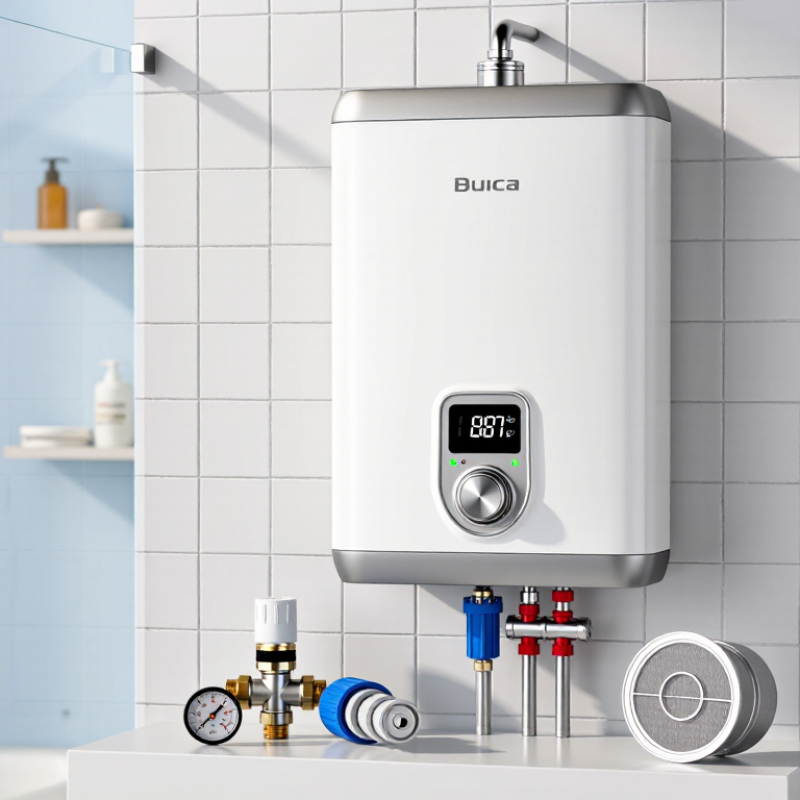
2026 Best Ducha Water Heater for Global Buyers

Understanding Ducha Water Heater Types and Heating Technologies

Choosing a ducha water heater starts with its type, not its advertised power. Instant heaters warm water as it flows, so they suit compact bathrooms and reduce standby loss. Storage heaters keep hot water in an insulated tank. They provide steadier temperature, but need space and recovery time. Hybrid systems combine a tank with heat-pump technology. They can lower energy use, although their controls may feel less intuitive.

Heating technology changes the daily experience. Electric resistance elements respond quickly and work well where gas access is limited. Heat-pump units move heat instead of creating it directly. They usually need a warmer, ventilated location and a higher purchase budget. Gas-fired systems can deliver strong output, but ventilation, fuel supply, and local installation rules require careful checking. Do not ignore water pressure.

A practical buyer should compare flow rate, voltage, frequency, and shower temperature stability. A heater rated for one electrical system may perform poorly elsewhere. Check whether the unit supports the local water pressure range. Sediment can also reduce heating efficiency, especially in hard-water areas. A washable inlet filter helps.

Small detail, big difference. In installation reviews, compact instant models often look ideal until several showers run together. That limitation is easy to miss.

Ask a qualified installer to verify wiring, grounding, leakage protection, and code compliance before purchase. Temperature memory is useful, but it cannot replace safe installation.

Key Specifications for Comparing the Best Ducha Water Heaters

When comparing a Ducha water heater for global buyers, start with electrical compatibility. Check voltage, frequency, rated power, and plug requirements. A 110–120 V model may not suit a 220–240 V installation. Never rely on an adapter for a high-load appliance. That is risky.

Flow rate also deserves careful attention. A heater may advertise strong performance, yet cold inlet water can reduce the outlet temperature. Compare liters per minute at a stated temperature rise. Adjustable temperature control helps users manage comfort and energy use.

Higher wattage is not automatically better. It may increase circuit demands and installation costs.

Safety specifications should be examined closely. Look for residual-current protection, overheat protection, stable insulation, and an appropriate IP rating for wet areas. Independent safety certification is more reliable than vague “international quality” wording. Check the heater’s materials, especially corrosion-resistant components for hard or salty water. A replaceable filter can reduce mineral buildup, but it still needs regular cleaning. I have found installation guidance often overlooked. Pipe size, water pressure, grounding, and maintenance access can affect real performance. Warranty length matters, but local service coverage matters more. Some product sheets remain unclear about testing conditions, so buyers should request measured flow, temperature-rise data, and certification documents before ordering.

How to Choose the Right Ducha Water Heater for Your Needs

2026 Best Ducha Water Heater for Global Buyers

How to Choose the Right Ducha Water Heater for Your Needs

Choosing a ducha water heater starts with your bathroom, not the product photo. Measure available space and check the incoming water pressure. A compact unit may suit a small apartment, while a larger household needs steadier flow. Look for adjustable temperature control, clear indicators, and easy access for maintenance. These details matter when wet hands meet unfamiliar controls.

Electrical compatibility deserves careful attention. Confirm the local voltage, frequency, wattage, and plug requirements before ordering. An electrician should verify the circuit, grounding, and protective device. Local installation rules can differ sharply between countries. Do not rely only on an online seller’s description. Ask for technical documents and independent safety certification. IP-rated protection is also important near showers, where splashing is normal.

Energy use depends on shower habits, water pressure, and incoming temperature. A high-power model may heat water faster, but it can demand stronger wiring. A lower setting may save energy, though the shower could feel weak during colder months. I once focused too much on maximum wattage and overlooked replacement parts. That was a poor decision. Check warranty terms, service access, and spare component availability. Also consider whether the controls feel intuitive at night. Small design choices often shape daily comfort more than impressive specifications.

2026 Best Ducha Water Heater for Global Buyers - How to Choose the Right Ducha Water Heater for Your Needs

A practical comparison of common electric shower water-heater configurations for residential and light commercial use

Comparison Table: Ducha Water Heater Types and Selection Criteria
Heater Type How It Heats Water Typical Electrical Range Typical Water-Flow Range Temperature Control Main Advantages Important Limitations Best Use Case
Instant Electric Shower Heater Heats water as it passes through an electric heating element; no storage tank is required. Approximately 3.5–10.5 kW, depending on local voltage and model design. Approximately 2–6 L/min, depending on power, inlet-water temperature and selected outlet temperature. Usually controlled by a mechanical selector, electronic control, or water-flow adjustment. Compact size, no standby tank losses, hot water available on demand, and suitable for point-of-use installation. Requires adequate electrical capacity; output temperature can be affected by seasonal inlet-water temperature and flow rate. Single bathrooms, apartments, locations with limited installation space, and homes needing point-of-use heating.
Multi-Point Instant Electric Heater Uses a higher-capacity electric heating system to supply more than one outlet, depending on the installation design. Approximately 9–24 kW; three-phase power may be required at higher ratings. Approximately 5–12 L/min, subject to power input, water temperature and simultaneous demand. Electronic modulation generally provides more stable outlet temperature than basic manual control. Can serve several fixtures, offers continuous hot water, and avoids the space required by a storage cylinder. Higher installation cost, greater electrical demand, and possible need for upgraded wiring, protection and service capacity. Larger homes, guest facilities, offices, or properties with multiple hot-water outlets.
Electric Storage Water Heater Heats and stores water in an insulated tank using an electric heating element. Commonly approximately 1.5–3.0 kW for residential units. Delivery depends on tank capacity; common residential tank sizes are approximately 30–150 L. Thermostat-based control with a preset storage temperature. Lower instantaneous electrical load, relatively steady temperature, and the ability to supply multiple outlets from stored hot water. Needs installation space, has finite hot-water capacity, and uses energy to maintain stored-water temperature. Homes with limited electrical capacity, cooler climates, or users who prefer stored hot water.
Solar Water Heater with Electric Backup Uses solar thermal energy as the primary heat source and an electric element as backup when solar energy is insufficient. Backup element commonly approximately 1.5–3.0 kW; collector and tank sizing vary by climate and household demand. Determined by tank size, plumbing design and available solar energy. Thermostat and backup-control system; some installations use differential temperature controls. Can reduce electricity consumption in suitable climates and provides stored hot water. Requires roof or outdoor space, suitable solar exposure, weather-resistant installation and backup heating for cloudy periods. Sunny regions, detached homes, and projects focused on reducing long-term water-heating energy use.
Heat-Pump Water Heater Transfers heat from surrounding air into a water tank rather than generating all heat directly with resistance heating. Electrical input is commonly lower than the thermal output; exact input depends on capacity and operating conditions. Usually paired with a storage tank, so available hot water depends on tank capacity and recovery rate. Electronic thermostat with operating modes such as efficiency, hybrid or electric backup. Typically more energy-efficient than conventional electric resistance storage heating under suitable operating conditions. Higher purchase cost, larger equipment footprint, airflow requirements, and reduced performance in unsuitable ambient conditions. Homes seeking lower operating costs and locations with adequate installation space and moderate ambient temperatures.

Key selection dimensions: local voltage and frequency, available electrical current, required flow rate, inlet-water temperature, number of users, water pressure, installation space, safety certification, warranty support, and total operating cost.

Safety and accuracy note: Electrical ratings and flow figures are typical planning ranges rather than specifications for a particular product. Actual performance depends on the model, local mains conditions, water pressure, inlet temperature and installation quality. A qualified electrician should verify circuit capacity, grounding, residual-current protection, overcurrent protection and compliance with local plumbing and electrical codes before installation.

Installation, Electrical Standards, and Essential Safety Requirements

Choosing the best ducha water heater in 2026 starts with installation, not appearance. The International Energy Agency reports that buildings consume about 30% of global final energy. Efficient heating matters, but safe wiring matters more. A qualified electrician should verify voltage, cable size, grounding, and circuit capacity before installation. Never connect the heater to a general-purpose socket. Use a dedicated circuit, a lockable isolator, and a residual-current device, such as an RCD or GFCI, where local rules require it.

Follow IEC 60335-2-35 for electric instantaneous water heaters and IEC 60364 for low-voltage installations. National codes may be stricter. Check them. The enclosure should match the bathroom’s moisture zone and carry a suitable IP rating. Water pressure and flow must remain within the heater’s stated limits. Installers often discover undersized cables behind finished walls. That mistake is expensive. Sometimes dangerous.

The NFPA reports that electrical distribution and lighting equipment contributes to tens of thousands of home fires each year in the United States. A shower heater is not automatically safe because it is new. Test the RCD regularly, inspect terminals for heat marks, and keep the control unit away from direct spray. Thermal cut-outs, overpressure protection, and stable earthing deserve verification during commissioning.

One uncomfortable truth remains: standards reduce risk, but careless installation can defeat them.

Global Buying Factors: Certifications, Warranty, Maintenance, and Support

For global buyers, choosing a Ducha water heater involves more than checking heating speed or shower pressure. Certification must match the destination market. Look for recognized electrical and safety approvals, such as the required national conformity mark. Verify the exact model number, not only a supplier’s general certificate. In wet bathrooms, an appropriate IP rating, grounding design, and residual-current protection deserve careful attention. A certificate alone is not proof of safe installation.

Warranty terms also reveal a supplier’s reliability. Check coverage for the heating element, control board, tank, labor, and replacement parts. Some warranties exclude hard-water damage, incorrect voltage, or unapproved installation. Read every clause. A two-year promise may sound strong, but local service availability matters more when a heater fails during winter. Ask about repair centers, spare-part storage, response times, and technical support in your language. Keep records.

Maintenance needs practical planning. Clean the inlet filter regularly, inspect cables for heat marks, and remove mineral scale according to the manual. In areas with very hard water, a periodic inspection can prevent unstable temperature and reduced flow. Do not assume maintenance is simple. Some compact units hide terminals behind tight panels, which can make safe access difficult. Honest product information should state these limits. Buyers should also confirm voltage, water pressure, pipe connections, and installation requirements before payment. A small mismatch can create expensive delays.

FAQS

What type of ducha water heater suits a small bathroom?

An instant heater warms water only during use. It saves space and avoids standby heating losses. Flow can weaken when several showers run together.

How does a storage heater differ from an instant model?

A storage heater keeps hot water in an insulated tank. It offers steadier temperature, but needs space and recovery time. The tank eventually cools.

What are the advantages of a hybrid water heater?

A hybrid system combines a tank with heat-pump technology. It may reduce energy use over time. Its controls can feel confusing at first.

Which electrical details should buyers check?

Check voltage, frequency, rated power, and plug requirements. A 110–120 V model may not suit a 220–240 V installation. Never use an adapter for high loads.

Why does flow rate matter during a shower?

Compare liters per minute at a stated temperature rise. Cold inlet water can lower outlet temperature. Higher wattage is not always better.

What safety features should a bathroom heater include?

Look for residual-current protection, overheat protection, stable insulation, and a suitable moisture rating. Thermal cut-outs also matter. New equipment is not automatically safe.

What must an installer verify before connecting the heater?

A qualified electrician should check cable size, grounding, voltage, and circuit capacity. Use a dedicated circuit and required leakage protection. Do not use a general-purpose socket.

How can hard water affect heater performance?

Sediment and minerals can reduce heating efficiency. A washable inlet filter may help. Clean it regularly. Small detail, big difference.

Can temperature memory replace professional installation?

No. Temperature memory improves convenience, but cannot correct poor wiring or grounding. Ask an installer to verify pressure, flow, and code compliance.

What information should buyers request before ordering?

Request measured flow, temperature-rise data, certification documents, and local service details. Product sheets may hide testing conditions. I would not rely on vague quality claims.

Conclusion

Choosing the best Ducha Water Heater in 2026 requires a clear understanding of available designs and heating technologies. Buyers should compare instant and storage models, evaluate heating speed, energy efficiency, water-flow performance, temperature control, capacity, materials, and durability. The right choice depends on household size, climate, water pressure, installation space, daily usage, and preferred energy source.

Safe installation is equally important. Before purchase, confirm voltage, frequency, wiring, grounding, circuit protection, water connections, and compatibility with local electrical standards. Professional installation can help reduce risks and improve long-term performance. Global buyers should also review applicable safety certifications, warranty coverage, spare-parts availability, maintenance requirements, technical documentation, and after-sales support. By balancing specifications, safety, operating costs, and service reliability, customers can select a Ducha Water Heater that delivers consistent hot water and dependable value in different markets.


Ethan

Ethan

Ethan is a seasoned marketing professional with a deep expertise in our company's innovative product line. With a passion for sharing knowledge and insights, he takes the lead in regularly updating our corporate blog, where he explores industry trends, product features, and effective marketing......